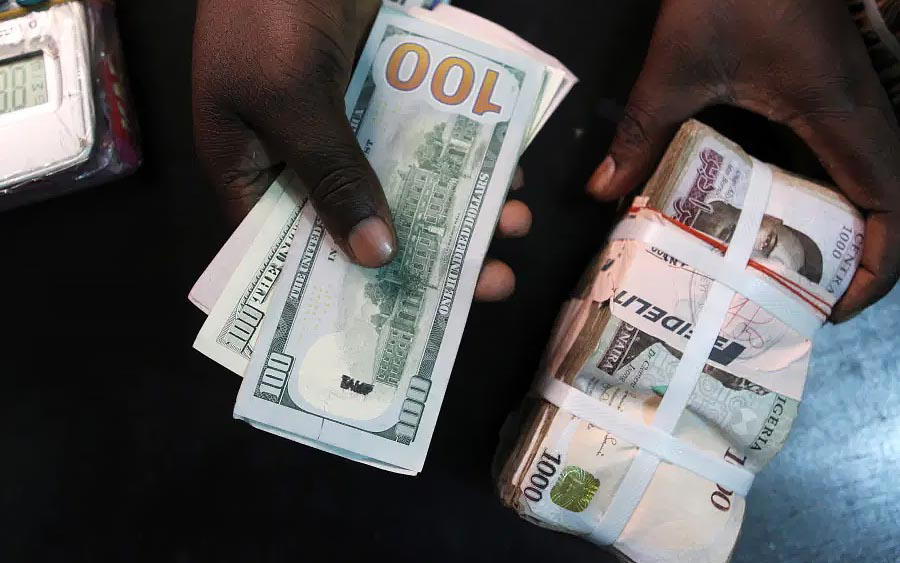
The naira held steady in the official foreign exchange market on June 10, 2026, amid dwindling liquidity and backing from the International Monetary Fund (IMF) for a more flexible currency regime. This endorsement is part of the IMF's broader strategy to stabilize Nigeria's economy, which has been grappling with inflation and currency devaluation.
The naira’s flat performance comes as the Central Bank of Nigeria continues to manage foreign exchange rates amidst pressures from global economic shifts and local market demands. Stakeholders remain cautiously optimistic, with some advocating for structural reforms to enhance economic resilience. “A managed float could provide the naira with the necessary flexibility to respond to market dynamics,” stated Dr. Amina Yusuf, Chief Economist at the Nigerian Economic Summit Group.
Looking ahead, the effectiveness of the proposed currency float will largely depend on the government's ability to address underlying economic challenges, including inflation control and bolstering investor confidence. As the naira navigates this transitional phase, its future stability will be crucial for Nigeria’s broader economic recovery and growth trajectory.