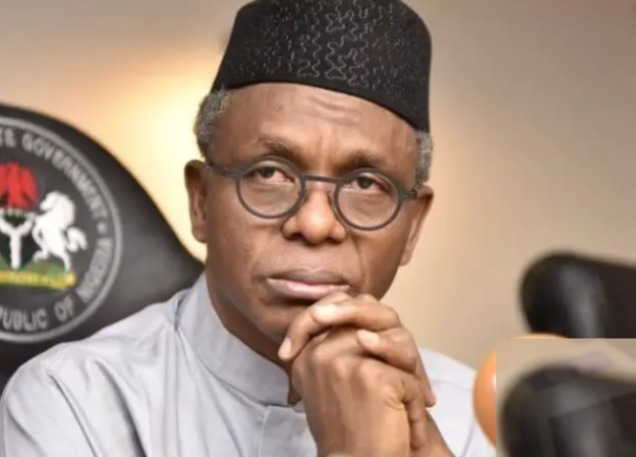
The sentencing of former Power Minister Saleh Mamman to 75 years in prison marks a significant moment in Nigeria's ongoing battle against corruption. Mamman was found guilty of orchestrating a fraudulent scheme that siphoned off N33.8 billion from government contracts, illustrating the deep-rooted issues within public procurement practices. This case not only highlights the urgency for reforms but also serves as a warning to other officials engaged in corrupt activities.
The Federal High Court in Abuja delivered the ruling, emphasizing the need for accountability among public servants. Justice Ahmed Mohammed stated, "This verdict sends a clear message that corruption will not be tolerated." The ramifications of this case extend beyond Mamman; it raises questions about the oversight mechanisms in place to prevent such abuses of power.
As Nigeria grapples with its energy crisis, the fallout from this verdict could influence public perception of government effectiveness and trust. The government must address systemic corruption to improve service delivery and restore faith in its institutions. The path forward requires not just punitive measures but also comprehensive reforms to ensure transparency and accountability in all sectors.