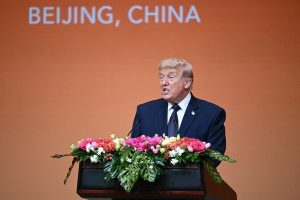
In a significant shift in transatlantic relations, the European Union has agreed to implement a trade pact with the United States, largely influenced by pressure from former President Trump. This agreement, finalized on May 20, 2026, includes commitments to reduce levies on US imports, aiming to bolster economic ties between the two regions amid ongoing global trade tensions.
Key developments leading to this agreement are rooted in Trump's previous threats to impose tariffs on European goods, which raised fears of a trade war. EU trade officials recognized the urgency to act, with European Commission President Ursula von der Leyen stating, "This agreement is a step towards mutual economic growth and stability." The pact is expected to enhance cooperation in sectors such as technology and agriculture, benefiting both economies.
Looking ahead, the EU's decision signals a willingness to engage with the US on trade issues, but it also raises questions about how this will affect its relationships with other global partners, including China. As the world economy continues to evolve, the implications of this pact will be closely monitored by stakeholders across the globe.