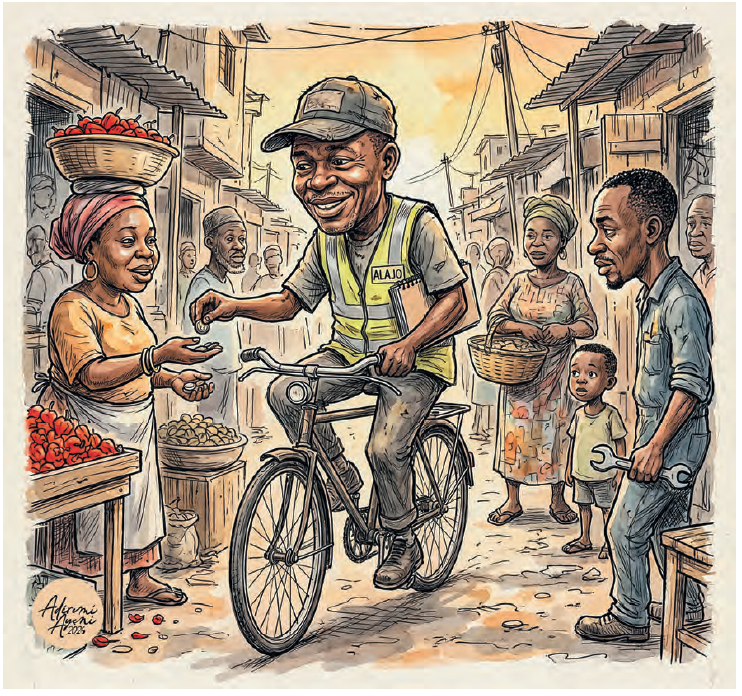
In Nigeria, traditional financial practices like Esusu and cooperatives are experiencing a resurgence as citizens seek sustainable financial solutions amidst economic uncertainty. These community-driven savings schemes allow members to pool resources and provide mutual support, fostering a sense of solidarity in a challenging economic climate.
Recent developments indicate a growing interest in formalizing these practices. The Central Bank of Nigeria is exploring regulatory frameworks to enhance the security and transparency of cooperative societies. “Cooperatives are not just about savings; they represent a lifeline for many Nigerians,” says Adeola Oladipo, a financial analyst. “They empower communities and promote financial literacy among the underserved.”
As the government and financial institutions recognize the potential of these grassroots initiatives, the future of financial survival in Nigeria appears to hinge on integrating traditional practices with modern banking solutions. This could lead to increased financial inclusion and resilience, particularly for economically vulnerable populations. The path forward requires collaboration between regulators and community leaders to harness the full potential of Esusu and cooperatives, ensuring they evolve into robust mechanisms for financial stability in the years ahead.