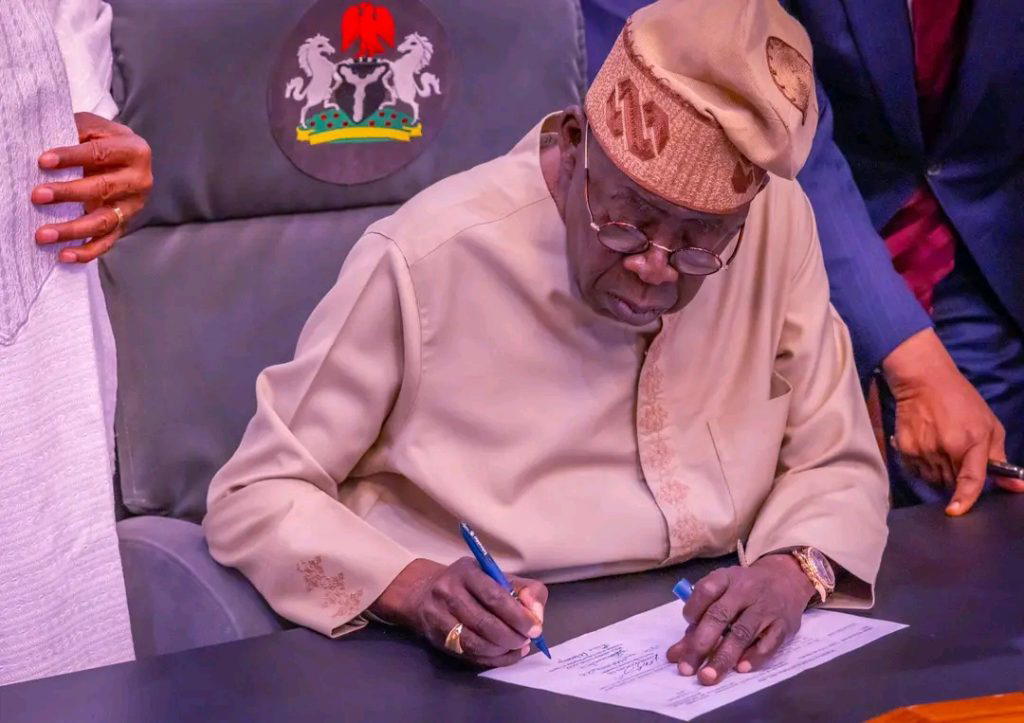
In a decisive address, President Bola Ahmed Tinubu has called for a transformative shift in Nigeria's civil service, urging an end to manual inefficiencies that have long plagued governance. Recognizing the resilience of the workforce, Tinubu stated, “Our civil servants have shown remarkable adaptability, but we must equip them with modern tools to enhance productivity.” This emphasis on modernization comes as Nigeria grapples with bureaucratic bottlenecks that hinder effective service delivery.
Recent initiatives aimed at digitalizing government processes indicate a commitment to reform. The government's push for technology integration seeks not only to streamline operations but also to improve transparency and accountability. Amid rising public expectations, the challenge remains significant, as entrenched practices resist change.
Looking ahead, the successful implementation of these reforms could signal a new chapter in Nigeria's governance, potentially enhancing public trust and fostering economic growth. As the civil service transitions into a more efficient, tech-driven entity, the government's ability to adapt to these changes will be crucial in shaping the future of public administration in Nigeria.

