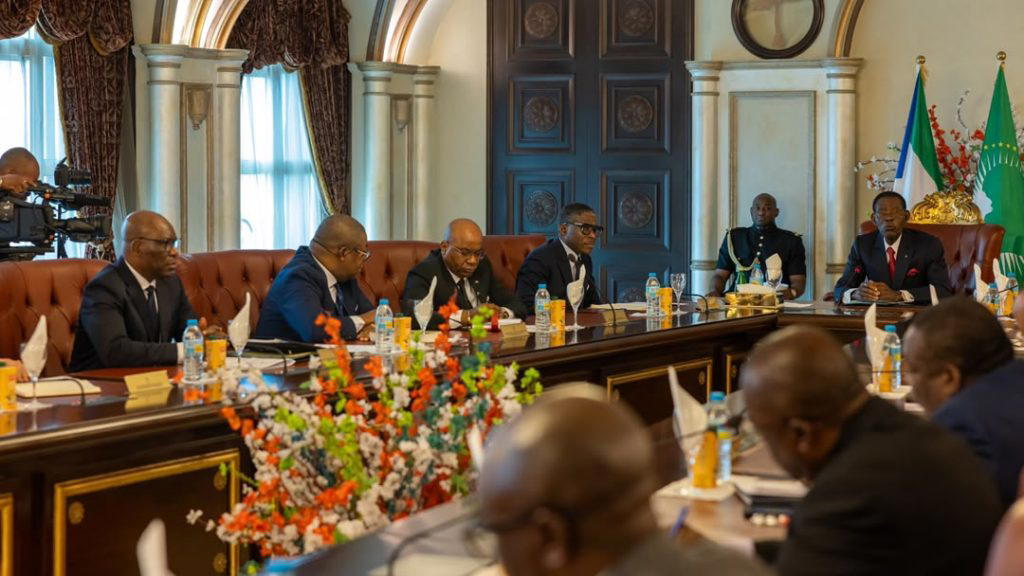
In a significant political shift, the cabinet of Equatorial Guinea has resigned, citing an inability to meet established performance goals, underscoring ongoing governance challenges in the oil-dependent nation. The resignation, effective immediately, reflects a broader dissatisfaction with the current administration's management of the economy, which heavily relies on petroleum for both revenue and export earnings.
Equatorial Guinea's economy has faced mounting pressures due to fluctuating oil prices and a lack of diversification, leading to concerns over fiscal sustainability. "We must hold our leaders accountable for the economic hardships faced by our citizens," stated Clara Nguema, a prominent civil society leader. This sentiment reflects a growing demand for transparency and effective governance in a country where the wealth from natural resources has not translated into widespread prosperity.
Looking ahead, the resignation presents both challenges and opportunities for Equatorial Guinea. As the nation seeks new leadership, there is potential for a renewed focus on economic diversification and reform. However, maintaining stability during this transition will be crucial to avoid further unrest in a nation already grappling with socio-economic issues.