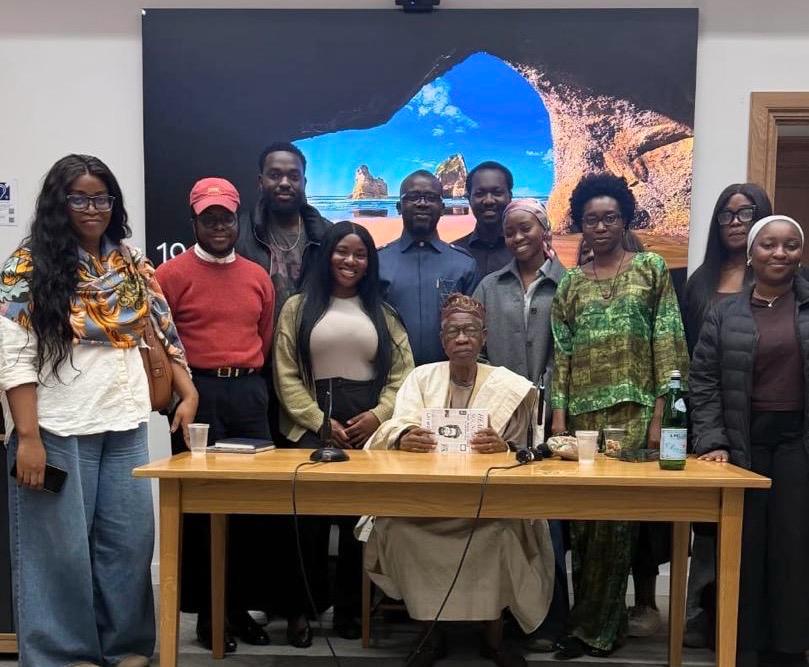
In a recent statement, Nigeria's Minister of Information and Culture, Lai Mohammed, posited that the #EndSARS protests in 2020 were significantly worsened by the spread of fake news rather than a failure of government communication. This perspective sheds light on the ongoing debate surrounding the protests, which initially erupted over police brutality and systemic injustice. Mohammed emphasized that misinformation, often disseminated through social media, played a crucial role in escalating tensions and misleading the public about the government's response.
The #EndSARS movement, which drew global attention, brought to the forefront issues of police violence and governance in Nigeria. Critics have long argued that the government's lack of transparency fueled public outrage. However, Mohammed countered this narrative by stating, "The real crisis was not communication but disinformation that fanned the flames of unrest." This assertion seeks to shift the blame away from governmental shortcomings and highlight the challenges posed by an increasingly polarized media landscape.
Looking ahead, addressing the role of disinformation will be vital for both government accountability and public trust. As Nigeria navigates its post-EndSARS reality, the need for responsible information dissemination remains paramount.