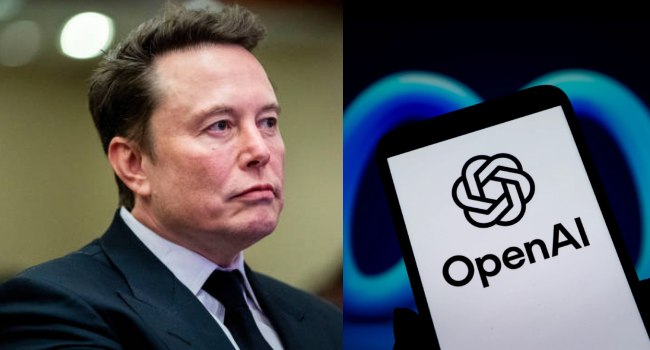
Elon Musk's recent defeat in the high-profile lawsuit against OpenAI marks a significant turning point in the ongoing debate over the commercialization of artificial intelligence. The three-week trial featured testimony from several leading figures in tech, with Musk contending that OpenAI's shift towards profit undercuts its founding nonprofit principles. He argued that such a transformation risks prioritizing financial gain over ethical responsibilities.
In a courtroom filled with industry giants, Musk's claims highlighted the tension between innovation and accountability. As he stated, "The original mission of OpenAI was to ensure that AI benefits all of humanity, not just a few." This sentiment reflects broader concerns within the tech community regarding the implications of profit-driven motives in AI development.
Moving forward, this ruling could embolden other tech companies to pursue aggressive monetization strategies without fear of legal repercussions. The outcome may also galvanize calls for stricter regulations governing AI, as stakeholders increasingly scrutinize the balance between profit and ethical considerations in shaping the future of technology. As the landscape evolves, the implications of this case will resonate throughout the industry.