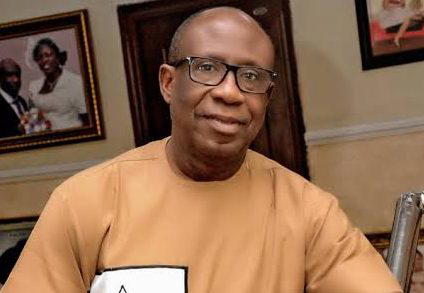
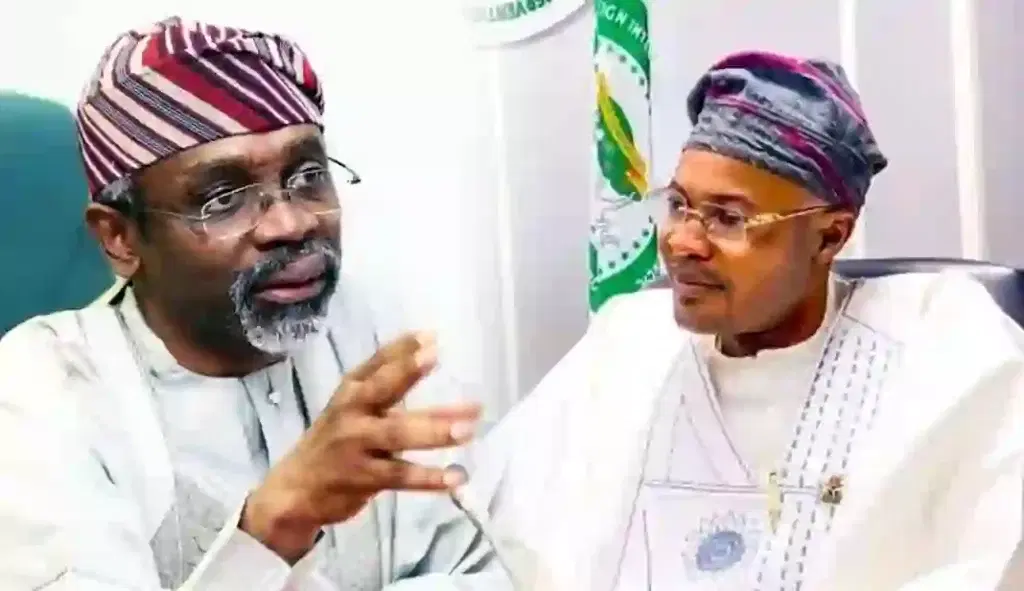
The ongoing detention of Mallam Nasir El-Rufai raises critical questions about the boundaries between legitimate legal action and political persecution in Nigeria. As of Saturday, he will have spent 150 days in custody without formal charges, a situation that has sparked significant public debate and concern over the rule of law. El-Rufai, a prominent political figure and former governor of Kaduna State, has been accused of corruption, but many believe his detention is politically motivated.
Stakeholders are voicing their apprehensions. "This prolonged detention without trial is a dangerous precedent that undermines our legal system," said Femi Falana, a renowned human rights lawyer. This statement underscores fears that the judiciary may be weaponized for political ends, which could erode public trust in governance and legal institutions.
Looking ahead, the case of El-Rufai could either reinforce or dismantle the fragile foundations of Nigeria’s democracy. As more citizens become aware of their rights, this situation may ignite a broader conversation about accountability and justice, ultimately influencing the political landscape as the nation approaches pivotal elections.