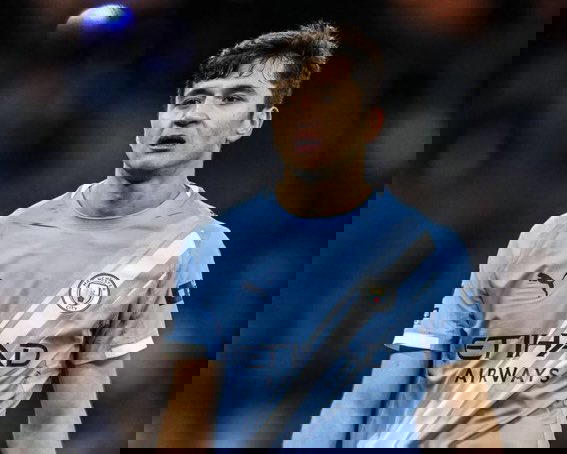
The disappointment of missing the 2026 World Cup has prompted former Super Eagles captain William Troost-Ekong to call for a critical reassessment of the team's approach. With the national squad failing to qualify for the tournament, the focus now shifts to understanding the underlying issues that led to this setback. The Eagles, historically a strong contender in African football, must confront the reality of their declining performance on the global stage.
Troost-Ekong emphasized the necessity of learning from this experience, stating, "We need to take a long, hard look at ourselves and make the necessary changes to ensure this doesn't happen again." This sentiment resonates deeply within the football community, as stakeholders recognize the urgent need for strategic reforms in player selection, training methods, and overall team cohesion.
As the Super Eagles regroup, there lies an opportunity for renewal. By embracing a culture of accountability and innovation, Nigeria's national team can not only aim for future qualifications but also strive to reclaim its former glory in world football. The path forward will require determination, adaptation, and unity among players, coaches, and the football federation.