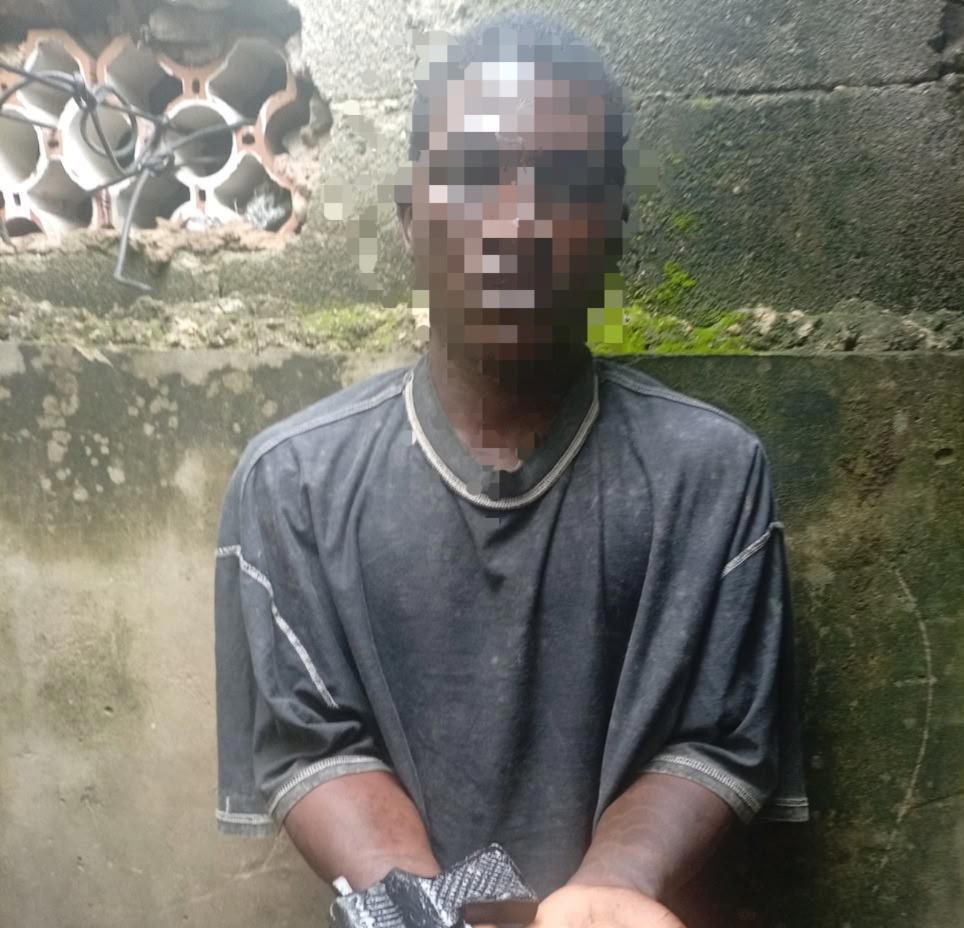
The recent attack on Gwon-Ajang village in Plateau State has left the community reeling, as eight victims were laid to rest amid palpable sorrow and anger. This incident, which occurred on June 2, 2026, marks a troubling escalation in violence in Nigeria's Middle Belt, an area long plagued by ethnic and religious conflicts. The attack underscores ongoing security challenges and the urgent need for effective intervention.
Local leaders and citizens have called for urgent government action to protect communities. "We cannot continue to live in fear; the government must prioritize our safety," lamented Joseph Kachalla, a community leader. His statement reflects a broader frustration with the perceived inability of security forces to prevent such tragedies. The frequency of these attacks raises questions about the effectiveness of current security measures and highlights the need for a comprehensive strategy to address the root causes of violence.
Looking ahead, it is crucial for both local and federal authorities to engage in meaningful dialogue with affected communities. Only through collaboration can they hope to restore peace and rebuild trust, paving the way for a safer future in Plateau State and beyond.