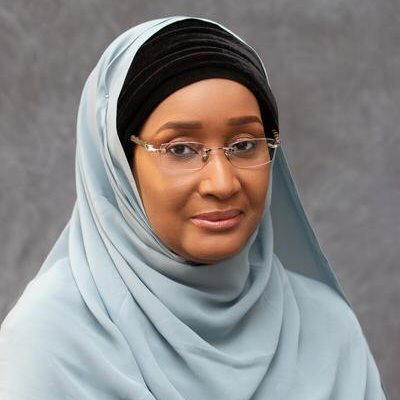
The Economic and Financial Crimes Commission (EFCC) has escalated its anti-corruption drive by declaring former Humanitarian Affairs Minister Sadiya Umar Farouq wanted for serious allegations. This move marks a significant development in Nigeria's ongoing battle against corruption, particularly within government ranks. Farouq faces accusations of criminal conspiracy, abuse of office, and misappropriation of public funds, highlighting the systemic issues plaguing the country's governance.
Sadiya Umar Farouq served during a critical period marked by humanitarian crises, raising questions about how funds were managed under her watch. The EFCC's actions reflect a broader commitment to accountability, as they aim to restore public trust in government institutions. "We will leave no stone unturned in our quest to ensure that those who mismanaged public resources are brought to justice," stated EFCC Chairman Abdulrasheed Bawa.
As the agency intensifies its investigations, this case underscores the urgent need for reform in Nigeria's public sector. The implications of this scandal could resonate beyond Farouq, potentially prompting a reevaluation of oversight mechanisms to deter future malfeasance. The EFCC's pursuit may signal a turning point in Nigeria's fight against corruption.