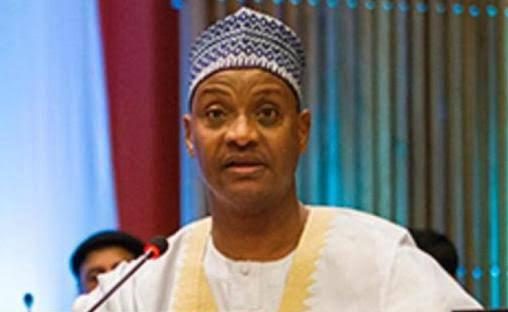
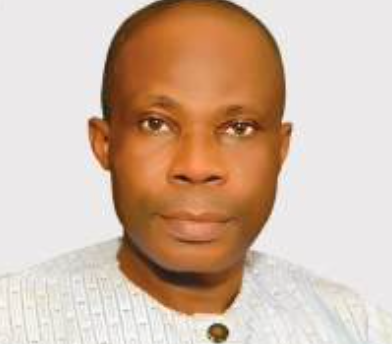
The recent arrest of the Director General of the Energy Commission by the Economic and Financial Crimes Commission (EFCC) underscores deepening concerns over corruption within Nigeria's energy sector. This development, linked to a staggering N701 billion case associated with the Progressive Governors’ Forum, comes on the heels of former power minister Saleh's conviction for fraud, which resulted in a 75-year prison sentence.
The EFCC's actions signal a broader crackdown on corruption among officials in the energy sector, a key area for Nigeria's economic stability. As stakeholders grapple with the implications, Energy Commission DG Dr. Gimba D. Rukuba stated, "We are committed to transparency and will cooperate fully with the investigation." This reflects a growing acknowledgment among officials of the urgent need for accountability.
Looking ahead, this case may serve as a critical turning point in Nigeria's efforts to combat systemic corruption. With public trust in governance waning, the outcome could influence both domestic and international perceptions of Nigeria’s commitment to reform, potentially impacting investments in the nation’s energy infrastructure.