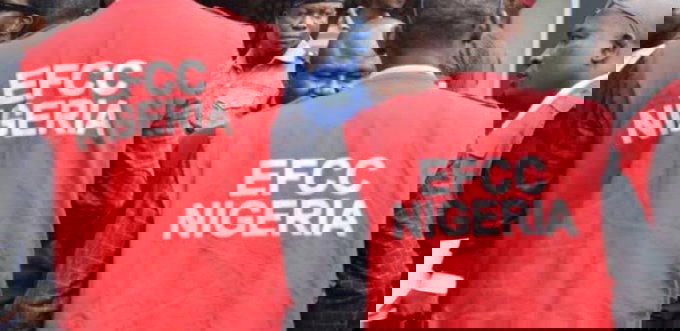
The tranquil corridors of the University of Uyo Teaching Hospital were anything but peaceful on Tuesday as the Economic and Financial Crimes Commission, EFCC, alleged that its operatives were attacked and effectively trapped within the hospital premises. The incident unfolded amid heightened tensions linked to an ongoing fraud investigation that has gripped public attention in recent weeks. As the sprawling complex of UUTH became the unlikely stage for this high-stakes drama, the implications of such a confrontation extend far beyond the hospital walls, touching on the very integrity of Nigeria's anti-corruption efforts and the security of its operatives.
The EFCC, Nigeria’s foremost anti-graft agency, has long been at the forefront of the country’s battle against corruption. Established in the early 2000s, its mandate is to investigate and prosecute financial crimes, including fraud, money laundering, and corrupt practices. However, the agency’s operations are often fraught with challenges, not least of which is the resistance from those with vested interests in maintaining the status quo. The latest incident at the Uyo Teaching Hospital highlights the precarious nature of the EFCC's work, as well as the resistance that can arise when the agency targets powerful individuals or complex networks of corruption.