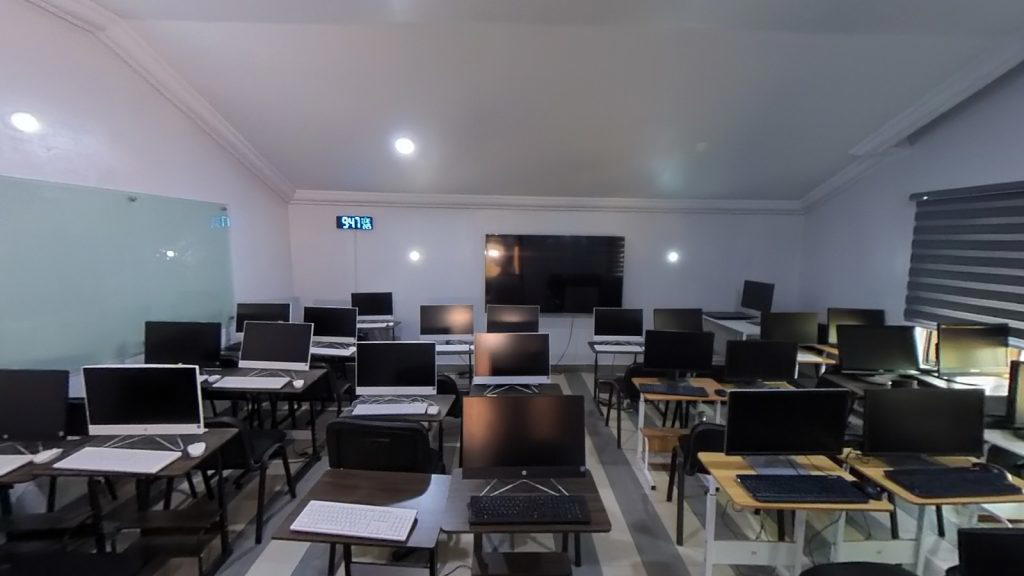
Nigerian educators are increasingly vocal about the need for urgent reforms in the national curriculum to promote inclusive education. This demand comes as the country grapples with a diverse student population that includes children with varying learning needs and abilities. Advocates argue that the current curriculum falls short, focusing predominantly on theoretical knowledge rather than practical skills that can foster an accommodating learning environment.
Dr. Amina Bello, an education reform advocate, stated, "Without a curriculum that embraces inclusivity, we risk leaving behind a significant portion of our students who have unique learning requirements." This perspective reflects a growing concern among educators that the existing framework does not adequately prepare teachers to address the diverse needs of their classrooms.
As discussions around the necessity of curriculum changes intensify, stakeholders are hopeful that policymakers will prioritize these reforms. A more inclusive education system not only benefits students but also strengthens the fabric of society by ensuring that every child has the opportunity to thrive. The future of Nigeria's educational landscape hinges on the commitment to adapt and evolve to meet all learners' needs.