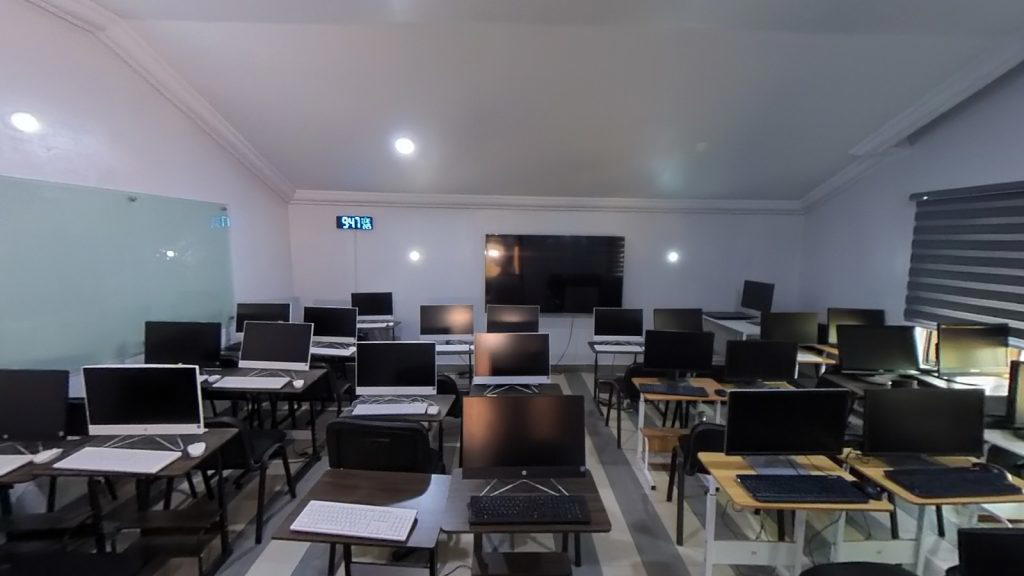
Nigerian universities are grappling with a dire infrastructural crisis that hampers their ability to produce quality graduates and compete on a global scale. With many institutions suffering from dilapidated facilities and outdated technology, their global rankings have plummeted, making it difficult to attract international talent and investment. A report from the National Universities Commission highlighted that nearly 60% of Nigerian universities lack adequate laboratory equipment, severely limiting research capabilities.
Professor Grace Okafor, Vice-Chancellor of University of Lagos, stated, "Without substantial investment in infrastructure, we risk losing a generation of scholars who could contribute significantly to our economy." This sentiment resonates across the education sector, as stakeholders recognize that the current state of infrastructure stifles innovation and limits educational outcomes.
Addressing these infrastructural deficits is not just a matter of upgrading facilities; it is essential for fostering a culture of excellence and research. As Nigeria looks towards becoming an educational hub in Africa, concerted efforts from both the government and private sector are crucial. Only through strategic investment and reform can Nigerian universities hope to reclaim their standing and nurture the next generation of leaders.