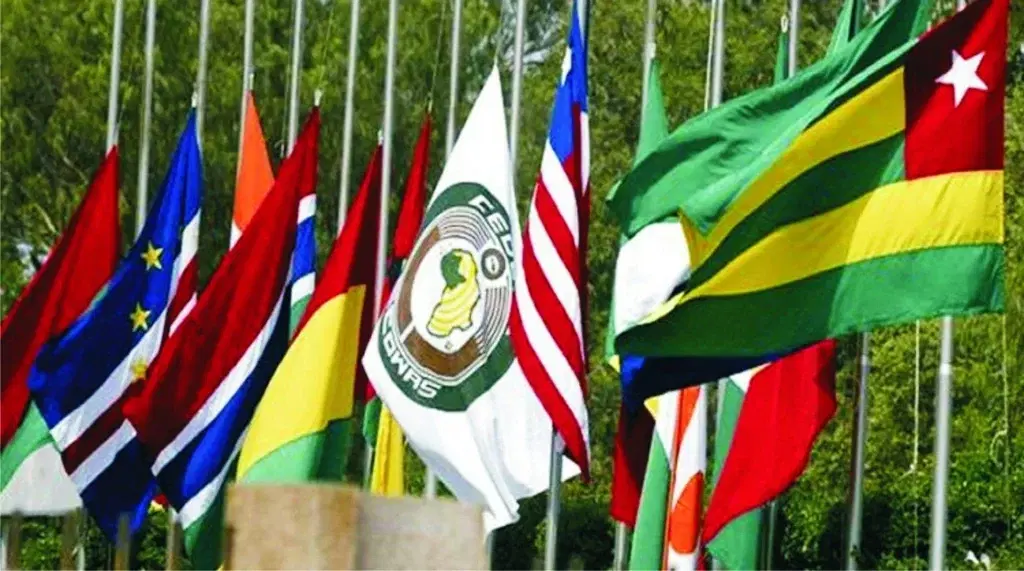
The recent inauguration of the new ECOWAS headquarters in Abuja by President Bola Tinubu symbolizes ambition and progress, yet it starkly contrasts with the persistent challenges facing the regional bloc. Established in 1975 to foster economic integration and political stability, ECOWAS has struggled with internal strife, coups, and socio-economic disparities among member states. The shiny façade of the headquarters cannot mask these underlying fractures.
Notably, regional tensions have escalated, with member countries grappling with issues ranging from security threats to migration crises. During the opening ceremony, ECOWAS Commission President Omar Alieu Touray remarked, "This new headquarters is not just a building; it embodies our collective aspirations for peace and unity." However, aspirations alone are insufficient to address the pressing realities on the ground.
Looking ahead, ECOWAS must pivot from mere symbolism to actionable strategies that reinforce collaboration among its members. Without addressing the root causes of discord, the organization risks becoming a monument to unfulfilled potential rather than a catalyst for meaningful change in West Africa. The challenge remains: will ECOWAS leverage its new infrastructure to truly unify the region?
