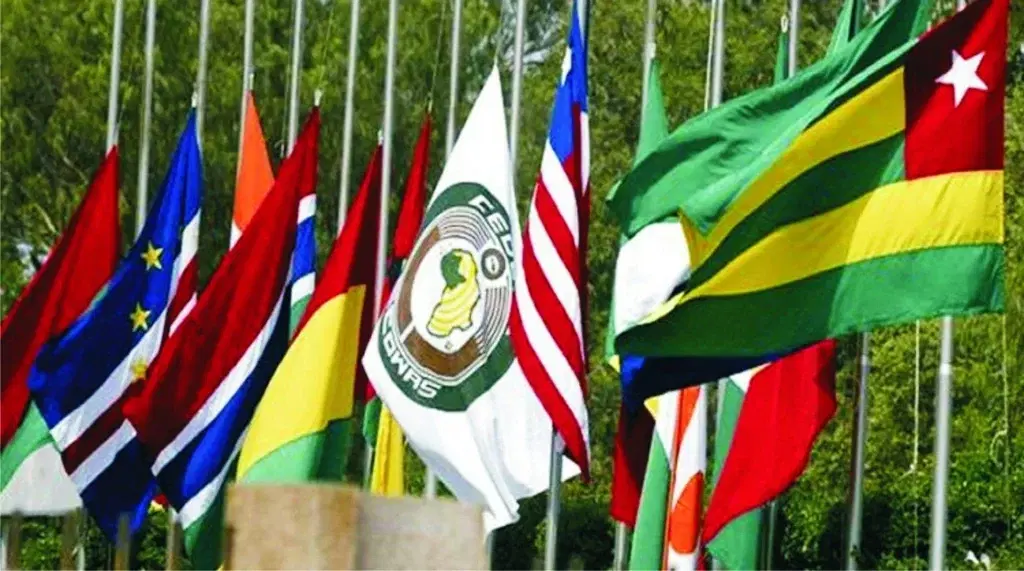
The recent approval of the Nigeria-Morocco gas pipeline by ECOWAS marks a significant step towards enhancing energy security in West Africa. This project, which aims to connect Nigeria's vast gas reserves to Morocco and beyond, underscores the region's commitment to diversifying energy sources and fostering economic cooperation.
ECOWAS Chair Julius Maada Bio emphasized the project's importance, stating, "We have already signed the West Africa-Morocco gas pipeline. Don't be surprised when the gas comes your way." This statement reflects a growing recognition of the need for collaborative energy infrastructure in a region grappling with energy access issues. The pipeline not only promises to supply gas to Morocco but also aims to reach Europe, thereby increasing regional influence in the global energy landscape.
As the project progresses, it could potentially reshape trade dynamics and stimulate economic growth in participating nations. However, challenges such as financing, regulatory frameworks, and geopolitical tensions remain. Moving forward, the successful implementation of this pipeline could set a precedent for future regional projects, ultimately fostering greater energy independence within West Africa.