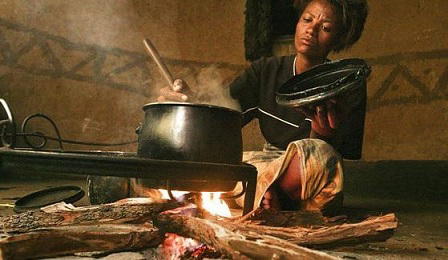
Nigeria is witnessing a troubling regression in cooking practices as skyrocketing prices of cooking gas and kerosene push millions back to firewood, a sign of deepening economic hardship. The recent surge in energy costs has forced households to abandon cleaner, more efficient cooking alternatives, raising concerns about health and environmental impacts.
Data reveals that the price of cooking gas has surged by over 150% in the past year, while kerosene has become increasingly scarce and expensive. This shift not only reflects the acute energy crisis but also highlights the growing desperation among Nigerians. "People have no choice; we are trying to survive," said Chijioke Nwosu, a community leader in Lagos. "Firewood is cheaper, but it comes with its own dangers."
As more Nigerians revert to traditional fuels, the government faces mounting pressure to stabilize energy prices and provide sustainable alternatives. Without immediate action, this trend could exacerbate deforestation and health issues related to smoke inhalation, further entrenching poverty. The long-term implications of this crisis may require urgent policy reforms and investment in renewable energy solutions to secure a more sustainable future for all Nigerians.