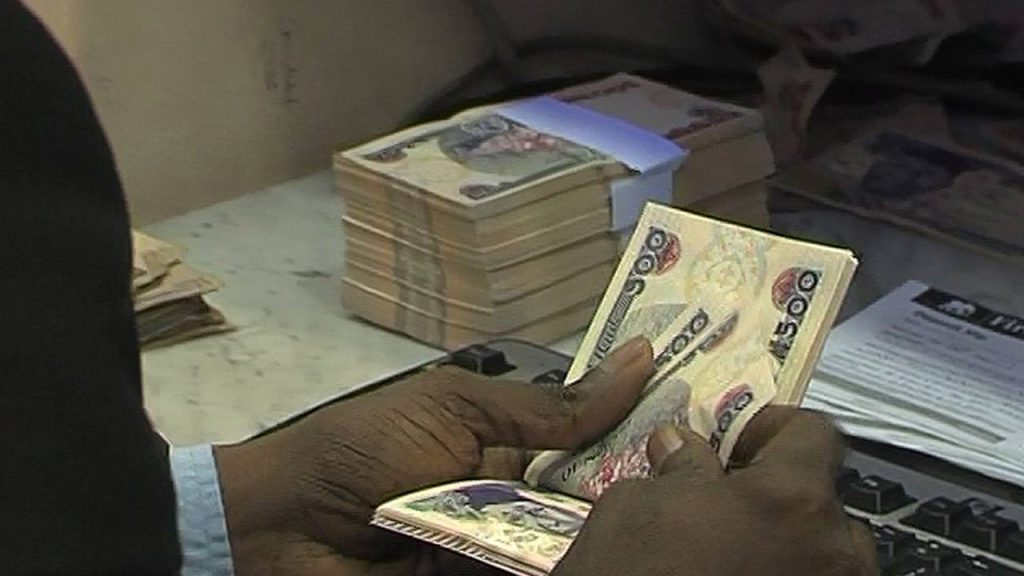
The Nigerian government has openly acknowledged the current economic hardship as not just painful but necessary for the country’s long-term prosperity. As inflation rises and unemployment rates soar, officials argue that these challenges are a catalyst for essential reforms. On May 15, 2026, the administration reiterated its commitment to implementing transformative policies aimed at fostering sustainable growth.
In a statement, Minister of Finance, Zainab Ahmed, emphasized, “These tough times are the bedrock of our future success. We must embrace reform to secure a stable economy.” This perspective reflects a broader government strategy focusing on bold leadership and strategic initiatives to revitalize sectors critical to national development, such as agriculture and technology.
As Nigeria navigates this turbulent economic landscape, the emphasis on resilience and reform may ultimately lead to a more robust economy. Stakeholders are urged to remain patient yet proactive, understanding that the path to recovery involves significant sacrifice. If the government can successfully manage the current challenges while laying a strong foundation for the future, Nigeria may emerge stronger and more competitive on the global stage.