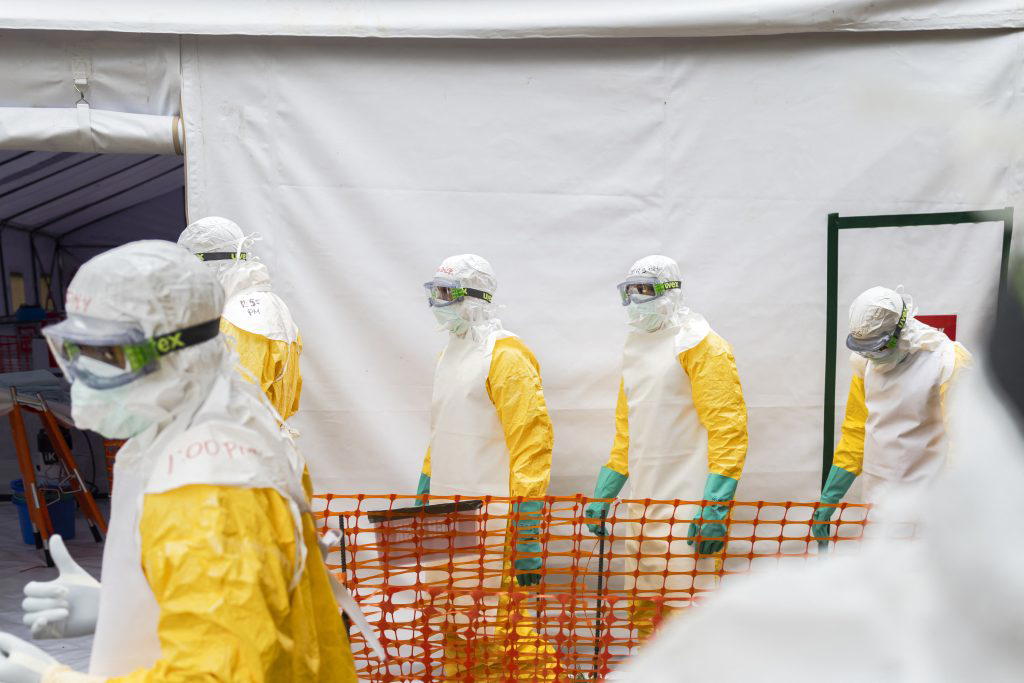
The ongoing Ebola outbreak in the Democratic Republic of Congo has escalated alarmingly, surpassing 2,000 confirmed cases and resulting in 754 deaths. The World Health Organization (WHO) has raised concerns that the true scale of the outbreak could be two to four times larger than reported, highlighting the challenges faced in tracking and containing the virus in remote regions.
Health officials attribute the rapid spread to a combination of factors, including inadequate healthcare infrastructure, community resistance to vaccination, and the difficulty of accessing affected areas due to poor transportation networks. Dr. Matshidiso Moeti, WHO Regional Director for Africa, stated, "We must strengthen our response efforts and engage communities to ensure that preventive measures are adopted."
As the situation develops, the potential for further spread raises urgent questions about global preparedness and response strategies. With neighboring countries on high alert, the international community must prioritize funding and resources to combat this outbreak effectively. Enhanced surveillance and community engagement will be crucial in mitigating the impact and preventing future outbreaks.