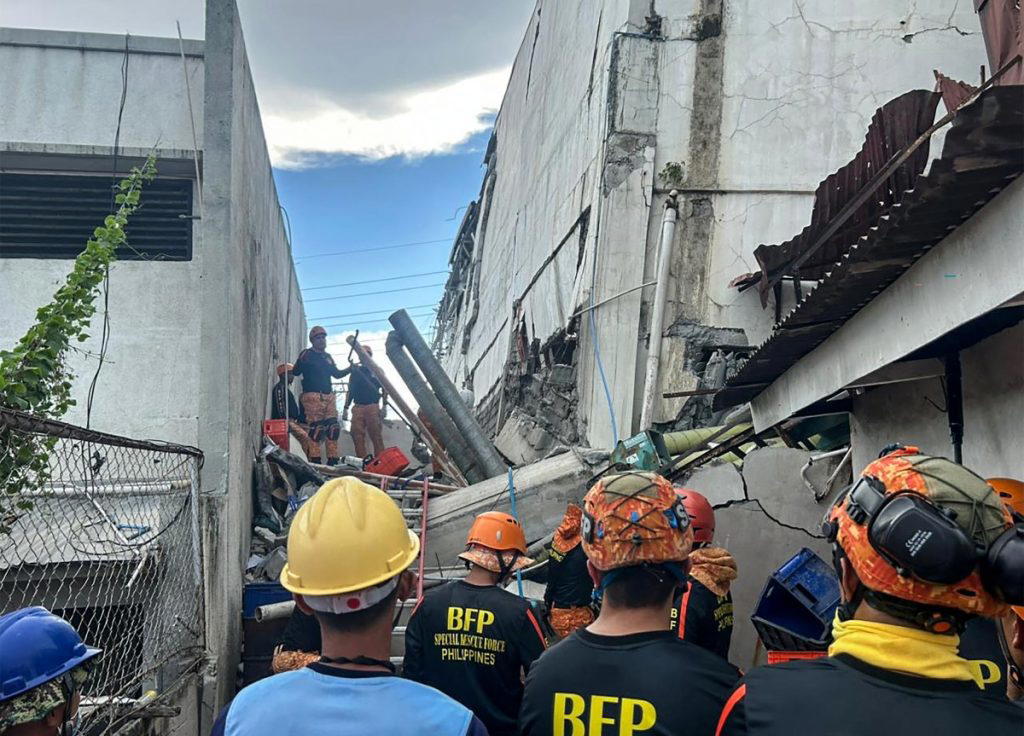
A powerful earthquake struck the Philippines on June 8, 2026, claiming at least 31 lives and leaving dozens missing. This tragic event has once again spotlighted the vulnerability of the archipelago to natural disasters, which are exacerbated by its geographical location along the Pacific Ring of Fire. National disaster authorities reported that 134 individuals sustained injuries, with search and rescue efforts still underway for those unaccounted for.
Local officials are mobilizing resources to assist affected communities, while emergency services have been strained by the scale of the disaster. "We are doing everything we can to locate the missing and provide aid to those impacted," stated Manuel L. de Guzman, head of the National Disaster Risk Reduction and Management Council. The urgency of their efforts reflects the ongoing challenges posed by inadequate infrastructure and preparedness in the region.
Looking ahead, this earthquake serves as a grim reminder of the importance of investing in disaster resilience and response mechanisms in the Philippines. As the nation grapples with the immediate aftermath, the focus will likely shift to long-term strategies to mitigate the effects of future seismic events.