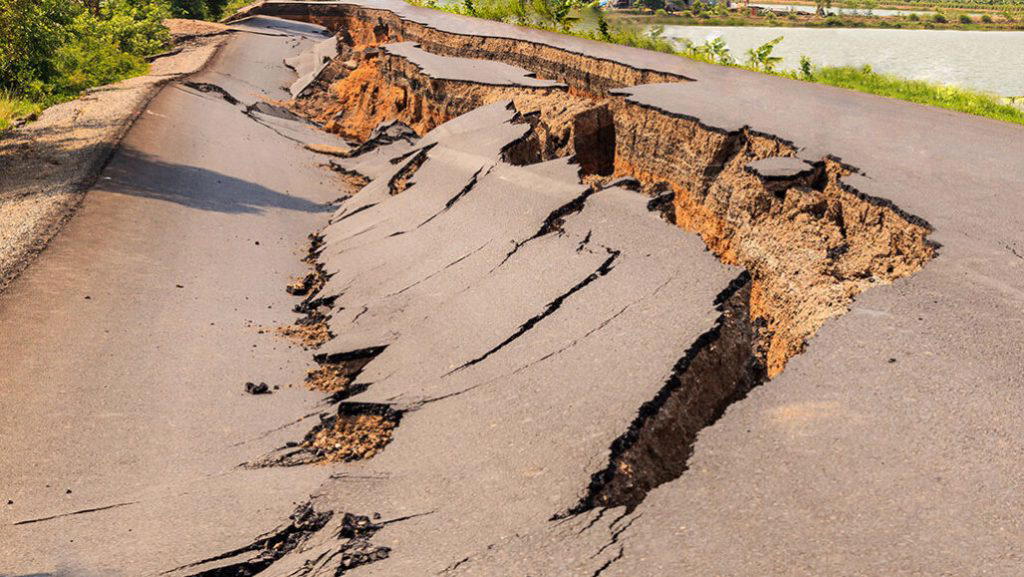
On May 13, 2026, a magnitude 4.6 earthquake rattled Tehran, reigniting fears about the city's vulnerability to seismic activity. Occurring at a shallow depth of 10 kilometers in the Pardis district, the quake prompted immediate concern among residents, many of whom recall the devastation of previous tremors. While there were no immediate reports of significant damage or injuries, the tremor served as a stark reminder of Iran's precarious position on major fault lines.
Dr. Farid Morteza, a seismologist at Tehran University, stated, “This earthquake highlights the urgent need for better preparedness and infrastructure resilience in our urban centers.” His comments underscore the city's ongoing struggle to enhance earthquake readiness despite its history of seismic incidents.
As Tehran grapples with this latest quake, authorities may be compelled to reassess their emergency responses and building codes. The incident not only serves as a wake-up call for residents but also for policymakers to prioritize comprehensive disaster management strategies. The potential for larger tremors necessitates proactive measures to safeguard the capital's aging infrastructure and its population.