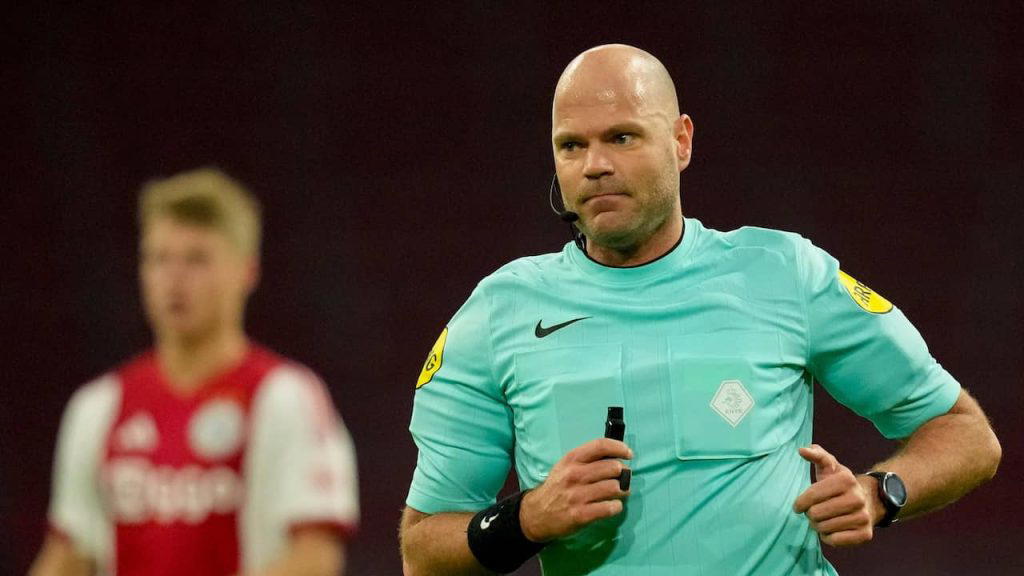
The sudden death of Dutch referee Rob Dieperink at the age of 38 has sent shockwaves through the football community, raising questions about the pressures faced by officials in high-stakes environments. Dieperink was recently removed from FIFA’s list of referees for the 2026 World Cup following a police probe in the UK, which, while later dropped, left a cloud of uncertainty over his career.
Dieperink’s passing comes at a time when the demands on referees are increasingly scrutinized, especially after controversies surrounding officiating decisions in major tournaments. According to Johan Derksen, a prominent sports analyst, "This tragedy highlights the mental and emotional toll that the scrutiny of top-level officiating can impose on individuals." His words underscore the necessity for greater support systems for referees, who often operate under intense public and media pressure.
As the football world mourns Dieperink's untimely death, it prompts a broader discussion about the need for mental health resources within sports officiating. Moving forward, the sport must prioritize the well-being of its referees to prevent such tragedies in the future.