The recent ruling by the Federal Capital Territory High Court in Abuja has intensified the ongoing debate over freedom of expression and accountability in Nigeria. The court ordered the Socio-Economic Rights and Accountability Project (SERAP) to pay ₦100 million after finding the organization had defamed two operatives of the Department of State Services (DSS). This judgment has raised concerns among civil society groups about the implications for whistleblowers and critical voices in the country.
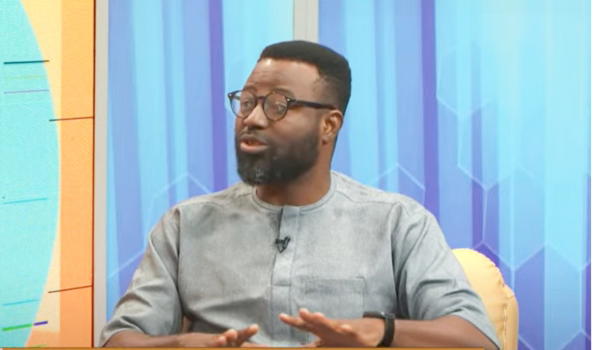
SERAP’s response was swift, with the organization's deputy director, Kolawole Oluwadare, stating, "This judgment undermines the fundamental principles of free speech and the right to hold public officials accountable." The ruling not only sets a concerning precedent for media and civil liberties but also highlights tensions between state security and public accountability in Nigeria.
Looking ahead, the decision may prompt other organizations to reassess their strategies in addressing government actions, fearing similar repercussions. As the landscape for civil society continues to evolve, the balance between state interests and the rights of citizens will remain precarious, necessitating vigilance from advocates of human rights and free speech.