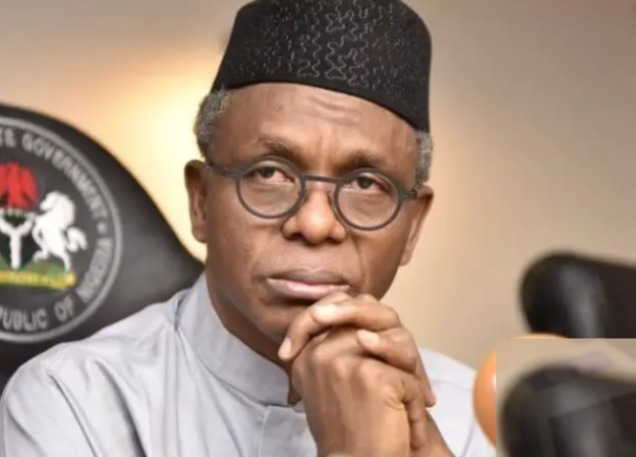
The recent accusations by the Department of State Services (DSS) against the family of former Governor Nasir El-Rufai underscore the deepening rift between political figures and the judiciary in Nigeria. The DSS claims that El-Rufai’s relatives have been fomenting public unrest in response to the former governor's ongoing legal battles, including his detention and bail proceedings. This incident reflects the broader climate of political tension as Nigeria grapples with governance issues.
El-Rufai, a prominent figure in Nigerian politics, has faced legal scrutiny that many perceive as politically motivated. His family’s public statements have reportedly rallied supporters, prompting the DSS to intervene. As El-Rufai's wife, Aisha El-Rufai, stated, “Our family has only sought justice and transparency in the face of adversity.” This situation raises questions about the judiciary's independence and how political figures navigate their legal challenges.
Looking ahead, the unfolding narrative around El-Rufai's case could set significant precedents for political accountability and judicial integrity in Nigeria. The response from the public and political elites will likely shape the country's legal landscape in the coming months.