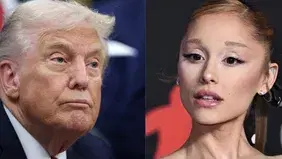
Ariana Grande's recent condemnation of the White House's use of her song in a video promoting immigration arrests underscores the ongoing tensions between cultural icons and political narratives. The pop star labeled the association as "barbaric," highlighting the emotional weight and ethical implications of her music being linked to contentious government actions. This incident reflects a broader dialogue about artists' rights and the appropriation of their work for political purposes.
Grande's statement comes amid heightened scrutiny of immigration policies, particularly those perceived as harsh or inhumane. Artists like Grande often use their platforms to advocate for social justice, making the misappropriation of their creative expressions particularly sensitive. "I will not allow my music to be weaponized in this way," she asserted, emphasizing her commitment to humanitarian values.
As public figures increasingly navigate the intersection of art and politics, this incident may signal a shift towards greater accountability in how political entities engage with cultural symbols. The outcome of this dialogue could shape future collaborations and the role of artists in political discourse, prompting a reevaluation of consent in the use of creative works.