Nigeria's healthcare system faces a critical juncture as the workforce crisis intensifies, threatening the nation's overall health outcomes. Professor Kayode Thadius Ijadunola, a prominent figure in community medicine at Obafemi Awolowo University, highlighted the urgent need for comprehensive reforms during a recent discussion. He emphasized that “without immediate action to strengthen our healthcare workforce, we risk losing more lives and further deteriorating our health indicators.”
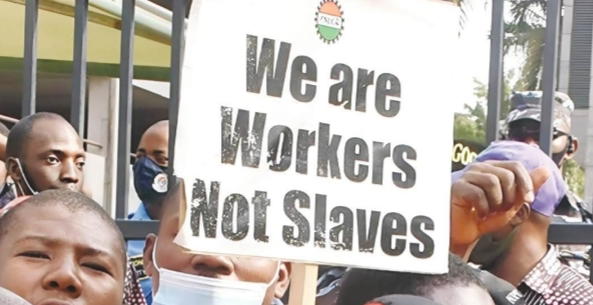
The ongoing crisis is marked by a severe shortage of trained medical professionals, exacerbated by brain drain and inadequate training facilities. As healthcare demands rise, particularly in rural areas, the gap between available services and patient needs widens. The government has been urged to invest in training programs, improve working conditions, and create incentives to retain healthcare professionals.
Looking ahead, if Nigeria does not implement effective reforms, it may face a deeper healthcare crisis, ultimately leading to increased morbidity and mortality rates. Stakeholders must prioritize strategic investments in human resources for health to ensure that the population receives the care it desperately needs. The future of Nigeria's healthcare system hinges on decisive and sustainable actions.