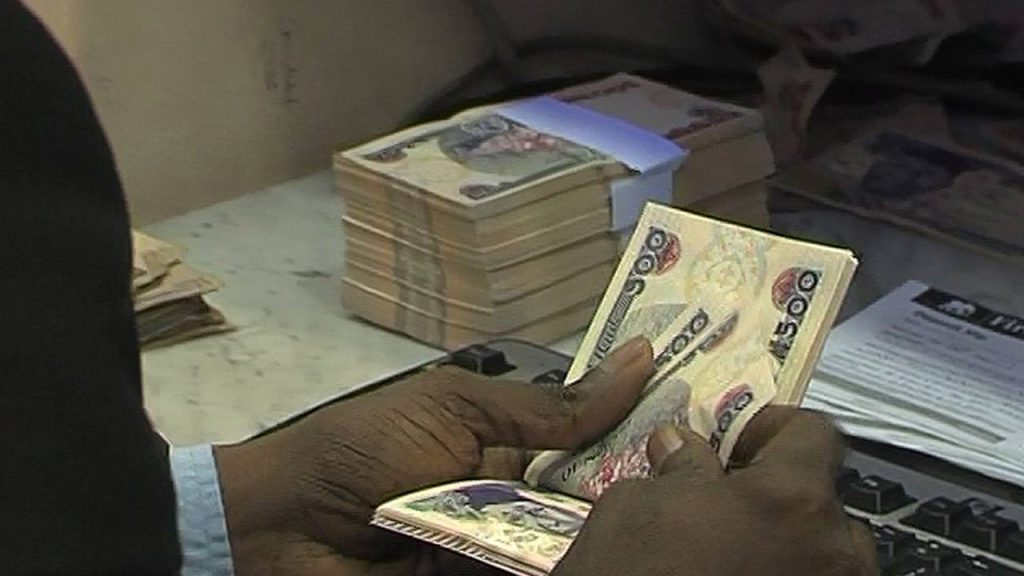
On May 5, 2026, the Nigerian Naira exhibited notable stability against the US Dollar, a welcome development for an economy long plagued by currency fluctuations. This stability was evident in both the official and parallel foreign exchange markets, suggesting a potential easing of the pressures that have historically plagued the Naira. Analysts attribute this trend to recent government policies aimed at enhancing foreign investment and improving the overall business climate.
"The current stability of the Naira reflects the positive impact of our recent economic reforms," stated Dr. Ngozi Okonjo-Iweala, Nigeria's Minister of Finance. These reforms include measures to diversify the economy and boost local production, which are critical in reducing dependency on imports. Despite this progress, challenges such as inflation and global economic headwinds remain pertinent.
Looking ahead, market observers are cautiously optimistic. If the government continues to implement effective fiscal strategies, the Naira may not only stabilize but also strengthen in the coming months. However, vigilance is necessary as external factors, including oil prices and geopolitical tensions, could rapidly shift the landscape. The path forward will require sustained commitment to economic reform and market confidence.