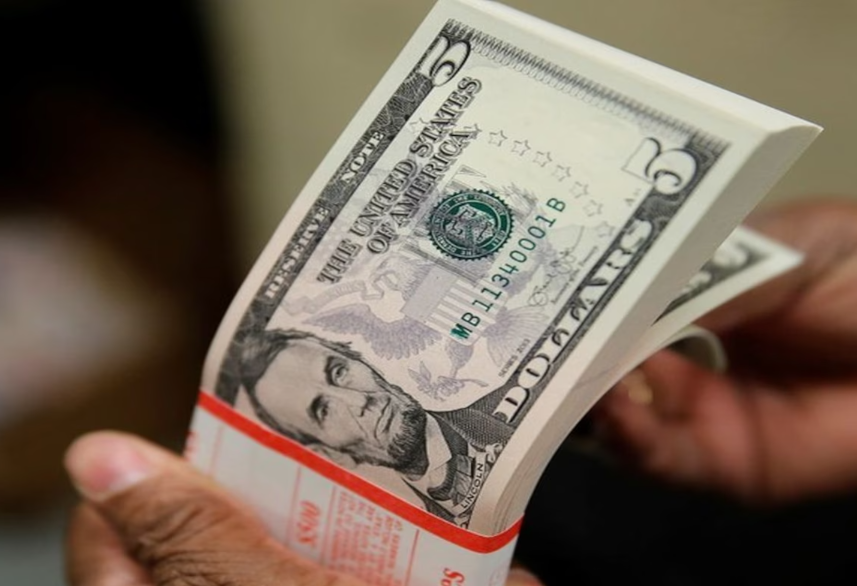
On May 28, 2026, the Nigerian naira showed signs of stability against the US dollar, trading consistently across both the official and parallel markets. This relative calm follows a series of government interventions aimed at bolstering foreign exchange liquidity and curbing speculative trading practices. Analysts note that the Central Bank of Nigeria's efforts to regulate the market have begun to yield positive results, creating a more predictable environment for businesses and consumers.
"The interventions are starting to pay off, but we must remain vigilant to external shocks that could disrupt this progress," stated Dr. Ngozi Okonjo-Iweala, an economic advisor. Her comments reflect a growing consensus among economists that while the current stability is promising, Nigeria's economy remains vulnerable to global market fluctuations, particularly in oil prices.
Looking ahead, market participants are cautiously optimistic about the naira's trajectory. Continued government support and the potential for increased foreign investments could bolster the naira further. However, sustained stability hinges on the government's ability to address underlying structural issues that have historically plagued the Nigerian economy.

