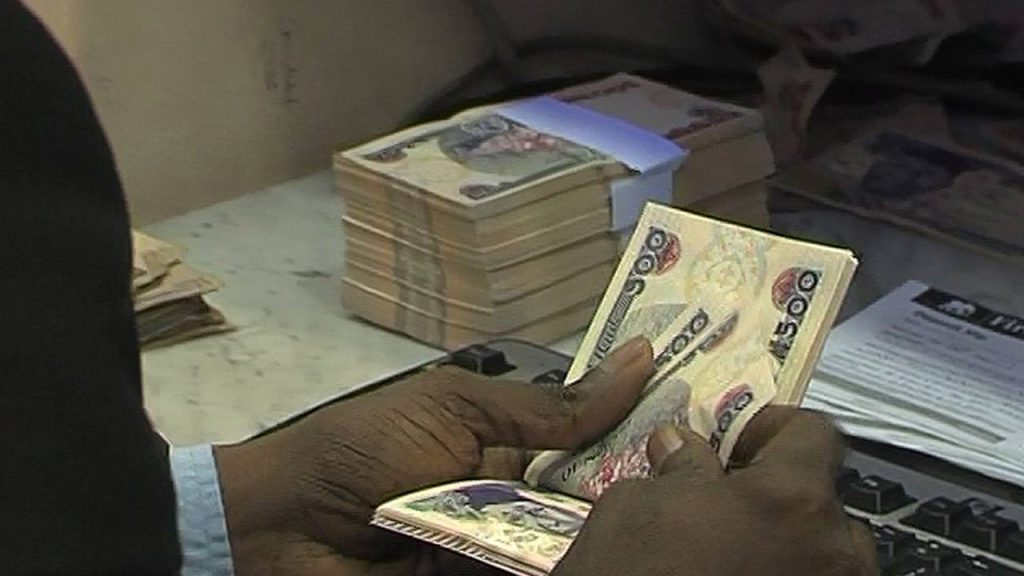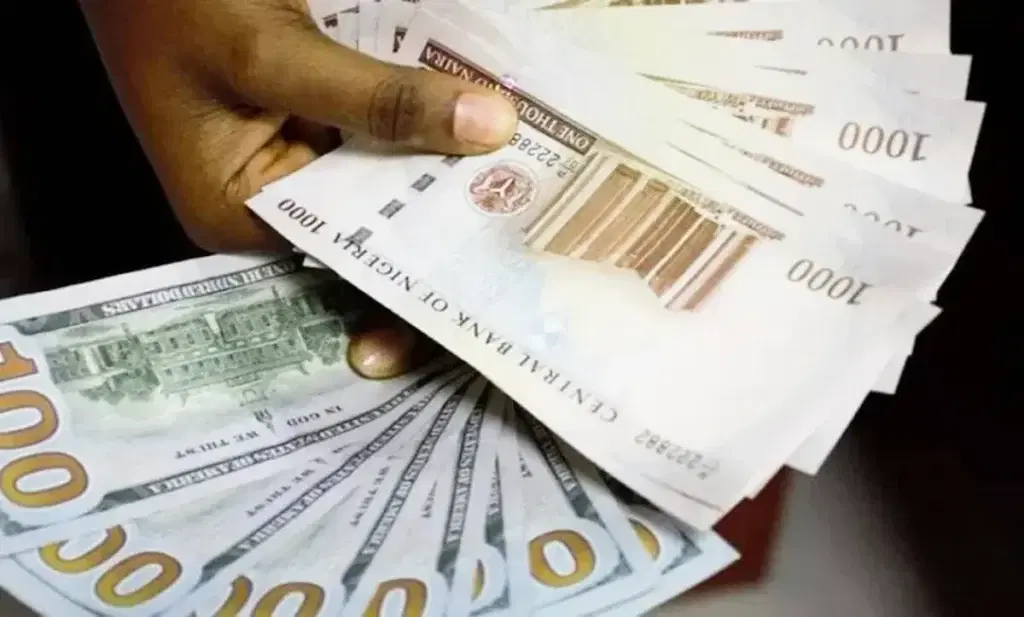
On May 20, 2026, the Nigerian naira fluctuated against the US dollar, reflecting ongoing pressures in the foreign exchange market. Official rates hovered around 900 naira to the dollar, while parallel market rates surged past 1,200 naira, driven by persistent demand for dollars amid Nigeria's economic challenges.
The Central Bank of Nigeria's efforts to stabilize the naira have been met with limited success, as importers and consumers continue to grapple with inflation and reduced access to foreign currency. "The current exchange rate dynamics are unsustainable, and urgent policy adjustments are needed," stated Chijioke Akintola, an economist at the Lagos Business School. His comments underscore the growing concern among financial experts about the long-term implications of a weak naira.
Looking ahead, the Nigerian government faces critical decisions regarding foreign exchange policies. As the global economy evolves and oil prices fluctuate, maintaining naira stability will be essential for fostering investor confidence and achieving economic growth. Without significant reforms, Nigeria may continue to experience volatility in its currency, impacting both businesses and consumers alike.