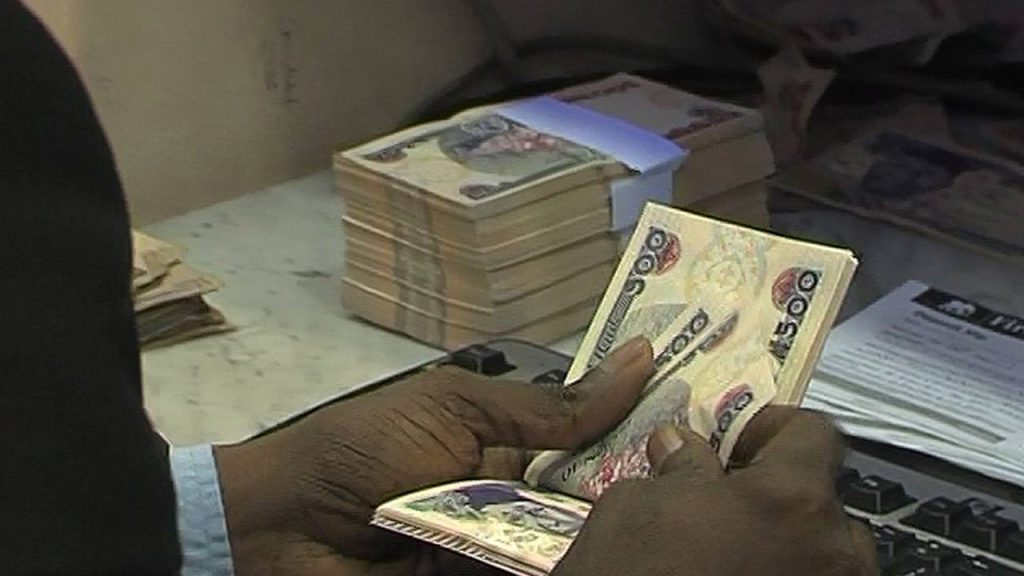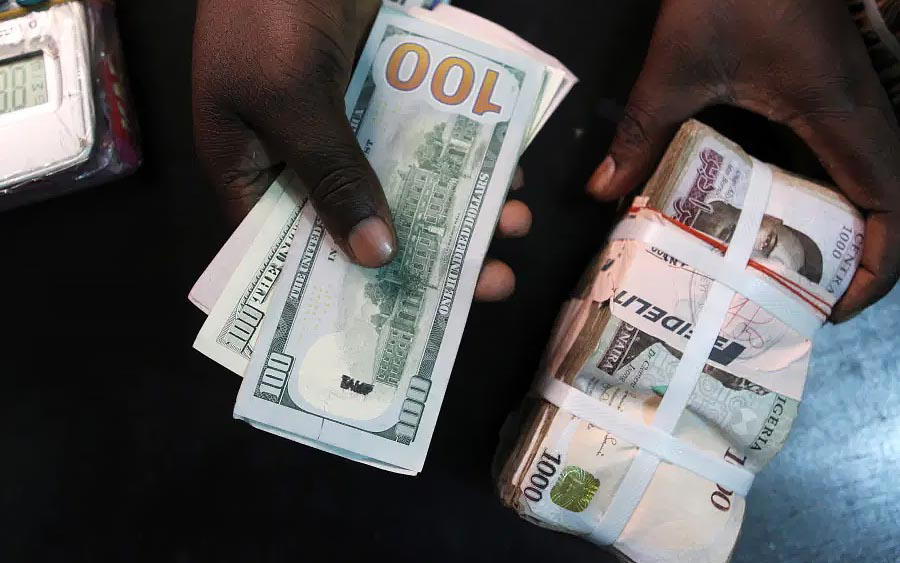
In the bustling streets of Lagos, the mood is one of cautious anticipation as Nigerians keep a close eye on the fluctuating value of their currency against the US dollar. The naira, Africa's most populous nation's currency, has seen mixed results in its exchange rate today, reflecting a broader narrative of economic tension and resilience. The ebb and flow of the naira against the dollar is more than just a financial statistic; it is a powerful indicator of Nigeria's economic health, influenced by a complex interplay of market forces, government policies, and global economic conditions.
Historically, the naira has faced significant challenges in maintaining its value against major world currencies, particularly the US dollar. These challenges have roots in the structural weaknesses of Nigeria's economy, which is heavily reliant on oil exports. The fluctuations in global oil prices often send ripples through the country's financial stability, affecting everything from foreign reserves to inflation rates. The Central Bank of Nigeria (CBN) has been a critical player in trying to stabilize the naira, employing various monetary policies and interventions aimed at curbing excessive volatility.