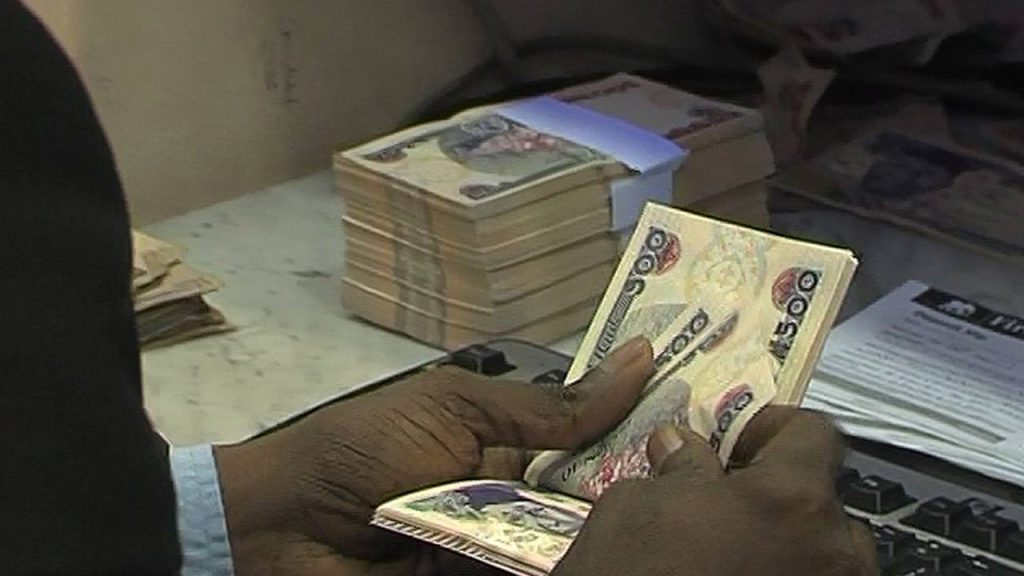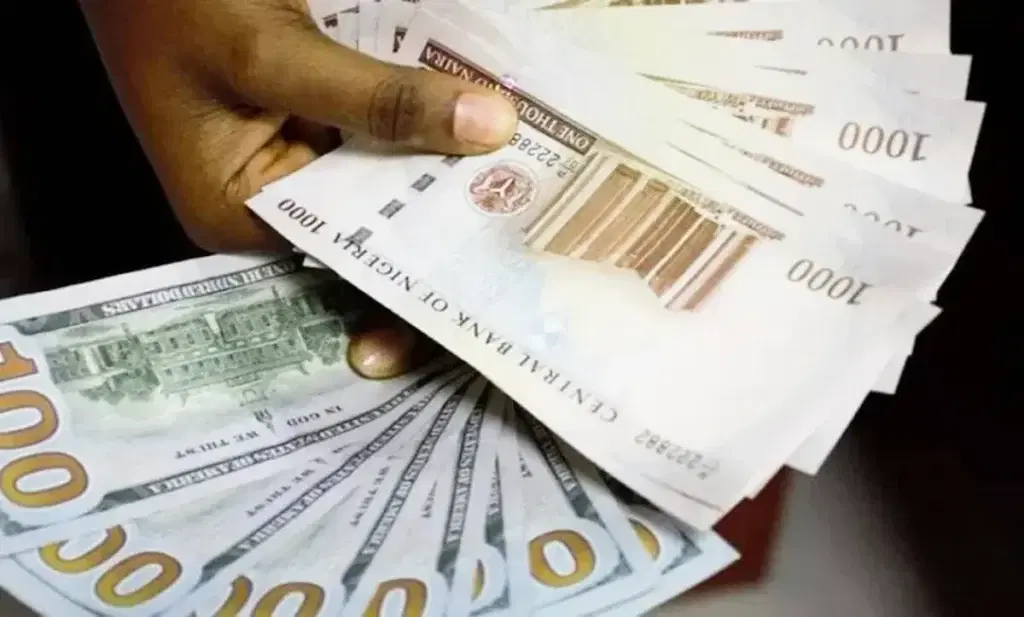
On May 11, 2026, the Nigerian naira maintained its stability against the US dollar, reflecting a notable equilibrium in both official and parallel markets. This steadiness can be largely attributed to the Central Bank of Nigeria's ongoing foreign exchange interventions and a cautious market sentiment that has emerged following recent policy adjustments aimed at bolstering the naira's position.
Key developments in Nigeria's economy, including increased oil revenues and a gradual recovery in manufacturing, have contributed to a more favorable forex landscape. Stakeholders like Dr. Ngozi Okonjo-Iweala, former Finance Minister and current head of the World Trade Organization, emphasized the significance of these interventions, stating, "Sustained forex stability is crucial for investor confidence and economic growth in Nigeria."
Looking ahead, the naira's performance will depend on the government's ability to navigate external pressures, including global inflation and oil price fluctuations. If the current strategies are effectively implemented, there is potential for further strengthening of the naira, which would have substantial implications for Nigeria's economic stability and investor sentiment in the long term.