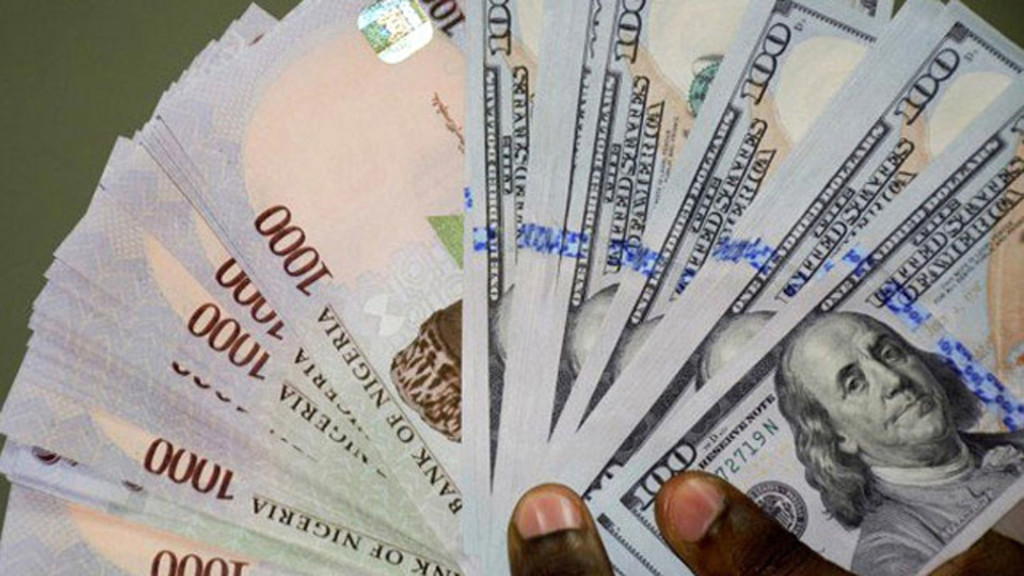
As Nigeria enters May 2026, the exchange rate between the Naira and the US Dollar shows slight fluctuations, reflecting ongoing economic pressures. The official rate hovers around 780 Naira per Dollar, while the parallel market sees rates nearing 800 Naira, highlighting the persistent gap created by foreign exchange scarcity and inflationary pressures.
This volatility comes against a backdrop of government reforms aimed at stabilizing the currency. Recently, the Central Bank of Nigeria has sought to increase dollar supply through various measures. "We are committed to bridging the gap between the official and parallel markets," stated Godwin Emefiele, Governor of the Central Bank of Nigeria. His remarks suggest a dedication to enhancing the forex liquidity essential for trade and investment.
Looking ahead, the Naira's trajectory will largely depend on global oil prices and domestic economic policies. As Nigeria's economy is heavily reliant on oil exports, any fluctuations in global demand could significantly impact the exchange rate. Stakeholders will be closely monitoring these developments, as a stable Naira is crucial for restoring investor confidence and fostering economic growth.