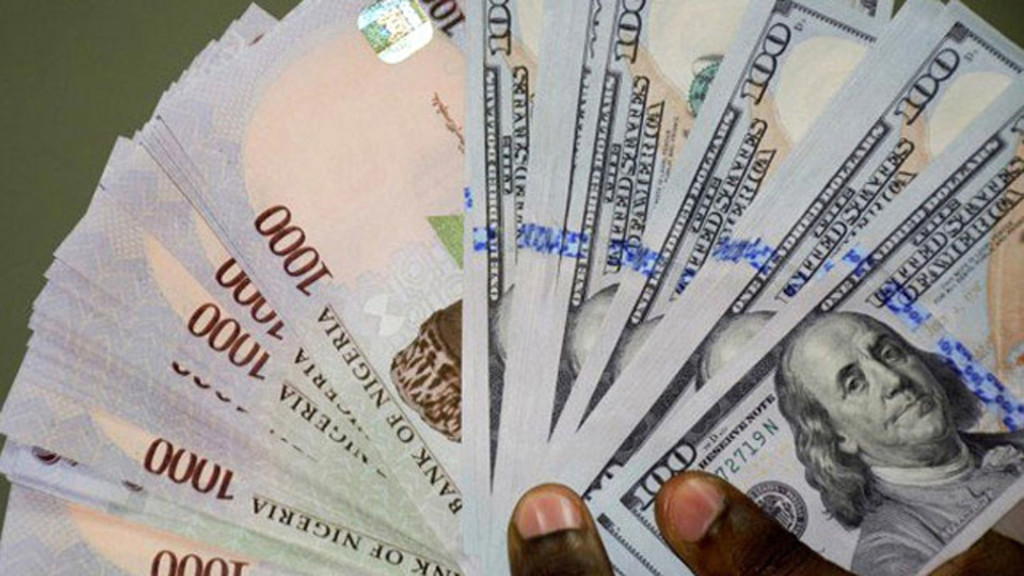
On June 8, 2026, the Nigerian naira demonstrated notable stability against the US dollar, as market participants closely monitored the evolving supply and demand dynamics within the foreign exchange landscape. The naira's performance across both official and parallel markets reflects a cautious optimism amid ongoing economic reforms aimed at stabilizing the currency.
Key developments indicate a gradual increase in foreign exchange reserves, bolstered by rising oil prices and improved remittance flows. However, the Central Bank of Nigeria continues to grapple with inflationary pressures that could impact future monetary policy decisions. "We're seeing a delicate balance in the forex market that could shift depending on global economic conditions," noted Ayo Ogunleye, a senior forex analyst.
Looking ahead, the Nigerian economy faces both opportunities and challenges. While the current stability may provide a respite for businesses and consumers, external factors such as geopolitical tensions and fluctuating oil prices could disrupt this equilibrium. Stakeholders remain vigilant, aware that sustained naira stability hinges on robust fiscal policies and effective management of foreign exchange reserves.