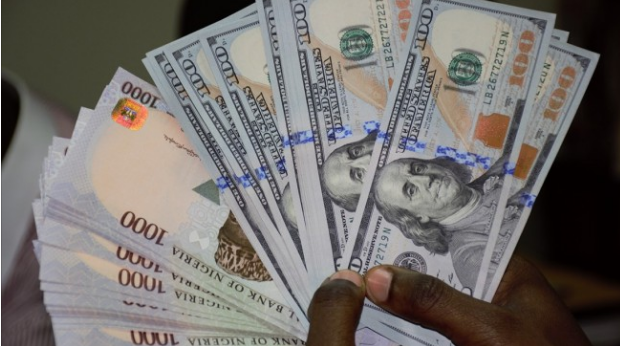
On June 4, 2026, the Nigerian Naira exhibited relative stability against the United States dollar, indicating a tightening gap between the official and parallel exchange rates. This balance is crucial for Nigeria's economy, which has faced persistent volatility and inflationary pressures. Recent efforts by the Central Bank of Nigeria to increase dollar liquidity and enhance forex market transparency appear to be yielding results, fostering confidence among traders.
Analysts note that the improved exchange rate environment could stimulate foreign investment, which has been sluggish in recent years. "The current stability reflects the government's commitment to a more transparent forex market," said Dr. Amina Ibrahim, an economist at the Nigerian Economic Research Institute. She emphasized that ongoing reforms are vital for sustaining this progress.
Looking ahead, the Nigerian economy faces challenges, including global oil price fluctuations and domestic policy shifts, which could impact exchange rates. However, if the current trajectory is maintained, Nigeria may see an influx of foreign capital and improved economic resilience. This delicate balance between stability and external pressures will be critical for the Naira's performance in the coming months.
