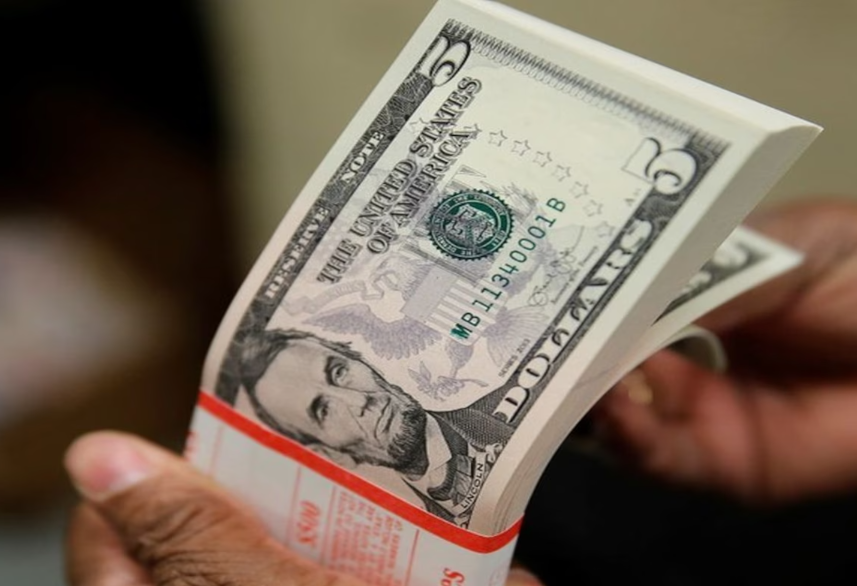
The Nigerian naira has demonstrated remarkable stability against the US dollar as of June 24, 2026, a notable trend amidst ongoing economic volatility. Both the official and parallel markets reflect this steadiness, suggesting a temporary reprieve for businesses and consumers alike. The exchange rate fluctuation has been a critical indicator of Nigeria's economic health, influenced by factors such as global oil prices, inflation, and government policies.
Experts attribute the naira's stability to recent monetary policy adjustments by the Central Bank of Nigeria, aimed at boosting liquidity and enhancing market confidence. "The current exchange rate reflects a careful balancing act by the Central Bank to stabilize the naira while promoting economic growth," noted Dr. Ayo Odukoya, an economist at the Nigerian Economic Summit Group.
Looking ahead, while this stability is encouraging, analysts caution that external pressures, such as geopolitical tensions and global economic shifts, could impact the naira's performance. Stakeholders are advised to remain vigilant as the market adjusts to both domestic policies and international economic trends. The outlook remains uncertain, necessitating strategic planning from businesses and policymakers alike.

