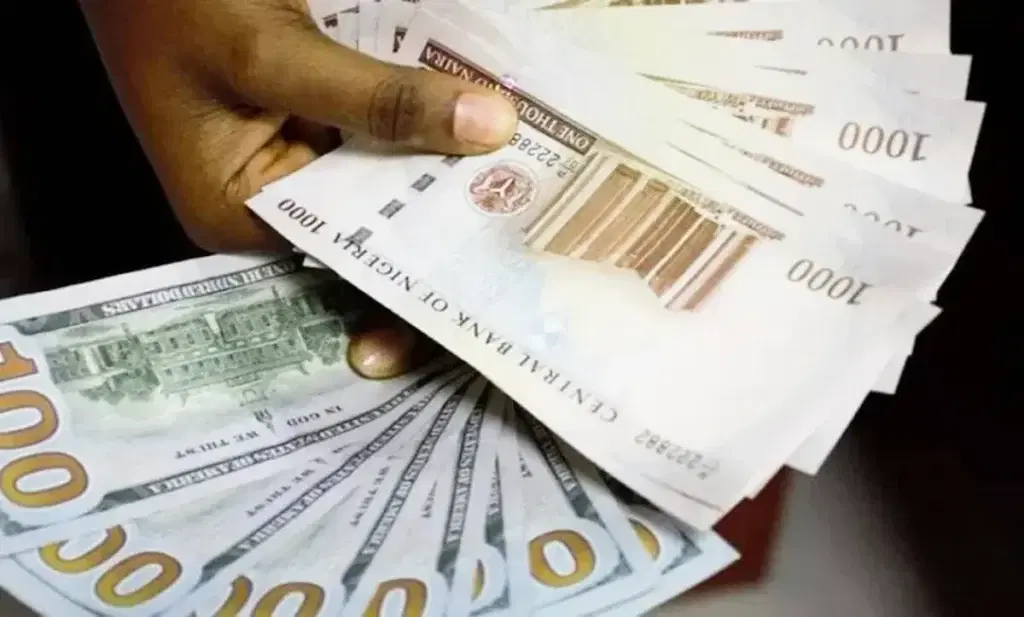
On June 16, 2026, the Nigerian naira demonstrated relative stability against the US dollar, maintaining consistent values in both the official and parallel foreign exchange markets. This steadiness comes after months of volatility fueled by inflationary pressures and fluctuating oil prices, critical components of Nigeria's economy. The Central Bank of Nigeria (CBN) has implemented measures aimed at stabilizing the currency, which includes foreign exchange interventions and tighter monetary policies.
Dr. Adebayo Ogunleye, an economist at the University of Lagos, stated, "The naira's current stability suggests that the recent CBN policies are starting to yield results, but sustained efforts will be necessary to ensure long-term resilience." This sentiment reflects a cautious optimism among stakeholders as they monitor the impact of global economic conditions and domestic fiscal policies.
Looking ahead, the naira's performance will largely depend on the CBN's ability to navigate external shocks, particularly in the oil market, and address structural issues within the economy. Observers anticipate that maintaining this stability will be crucial for investor confidence and economic growth in Nigeria.


