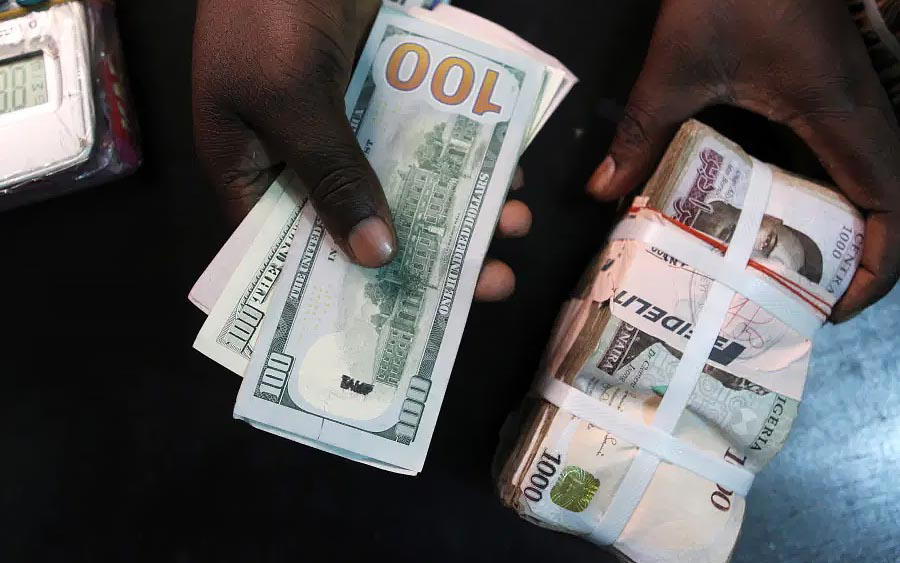
On July 9, 2026, the Nigerian naira hit an alarming exchange rate of ₦1,373.99 per US dollar at the official Nigerian Foreign Exchange Market, reflecting ongoing economic pressures. This significant depreciation underscores the challenges facing Nigeria's economy, including rising inflation and dwindling foreign reserves. The Central Bank of Nigeria has struggled to stabilize the currency, impacting businesses and consumers alike.
Key developments include the government's efforts to attract foreign investment and diversify the economy away from oil dependency. However, these measures have yet to yield substantial results. "We need a multifaceted strategy that not only addresses currency stability but also fosters economic growth," stated Dr. Ayo Odukoya, an economist at the Nigerian Institute of Economic Research.
Looking ahead, analysts suggest that without decisive action to boost production and encourage exports, the naira may continue to weaken. The government must prioritize reforms to restore confidence in the economy, or risk further erosion of purchasing power and increased hardship for Nigerians. As the situation evolves, stakeholders will be watching closely for signs of recovery or further decline.