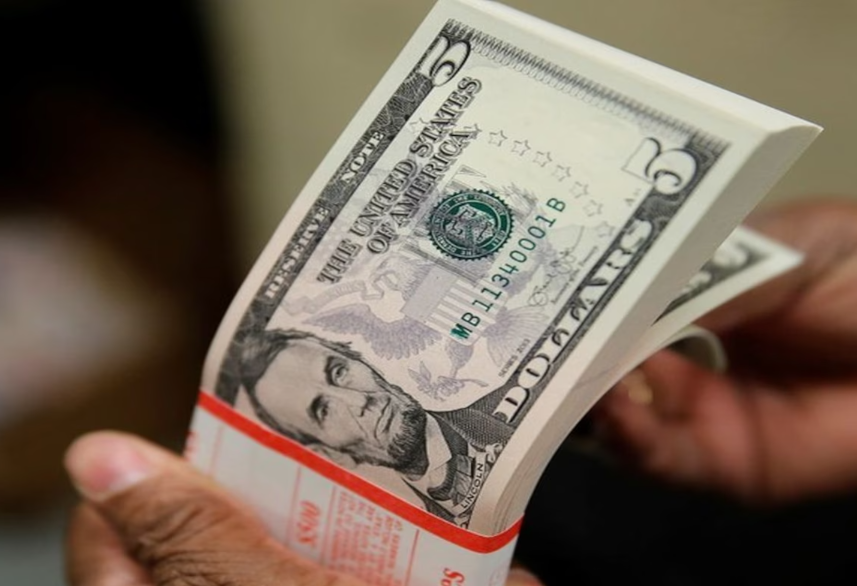
On July 24, 2026, the Nigerian naira demonstrated relative stability against the US dollar in both the official Nigerian Foreign Exchange Market (NFEM) and the parallel market. This steadiness comes amid ongoing scrutiny of foreign exchange liquidity and demand, which have been central to the currency's fluctuations in recent months. Traders remain cautious as they navigate the complexities of Nigeria's economic landscape.
The naira's exchange rate has been influenced by factors such as government policies, oil prices, and global economic conditions. "The current stability is a positive sign, but we must remain vigilant," stated Chijioke Okwudili, Chief Economist at the Nigerian Economic Institute. "Sustaining this momentum will require concerted efforts from both the government and the Central Bank."
Looking ahead, the Nigerian economy faces challenges, including inflation and fluctuating oil prices, that could impact the naira's performance. Analysts suggest that maintaining foreign exchange liquidity and enhancing economic diversification will be crucial for long-term stability. As traders continue to monitor these developments, the naira's future trajectory remains uncertain but pivotal for Nigeria's economic health.