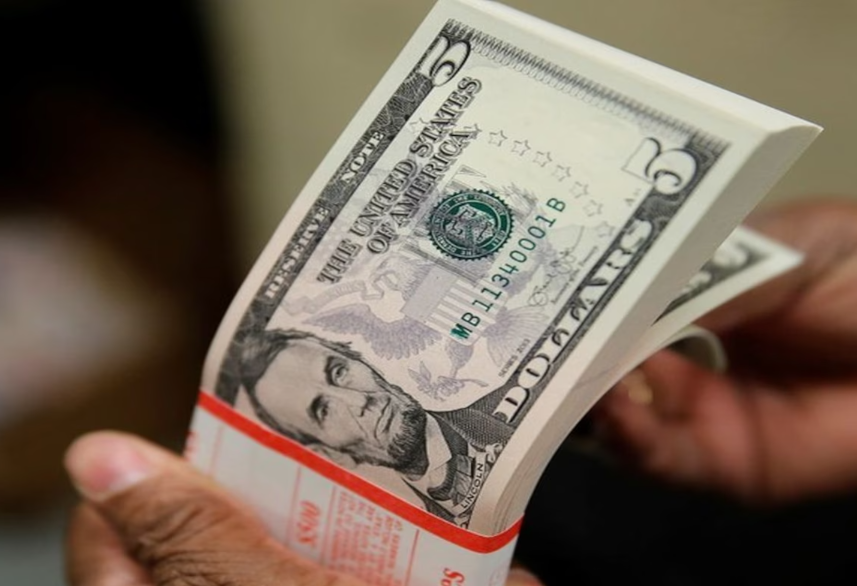
On July 1, 2026, the Nigerian naira displayed a notable stability against the US dollar, reflecting a relatively balanced dynamic between the official and parallel foreign exchange markets. This equilibrium is significant amid ongoing economic reforms aimed at stabilizing Nigeria's currency and boosting investor confidence. Analysts point to a tighter gap between these markets, which has historically been a concern for economic stability.
Key developments include recent government measures to enhance foreign exchange liquidity, alongside efforts to diversify the economy away from oil dependency. "The current exchange rate stability is a positive sign, but we must remain cautious about external shocks and inflationary pressures," stated Dr. Ngozi Okonjo-Iweala, an economist and former finance minister. Her insights underline the importance of sustained policy commitment to maintain this stability.
Looking ahead, the Nigerian government faces the challenge of sustaining this positive trend while navigating global economic uncertainties. Continued vigilance in monetary policy and efforts to attract foreign investments will be crucial in ensuring that the naira maintains its stability against the dollar in the coming months.