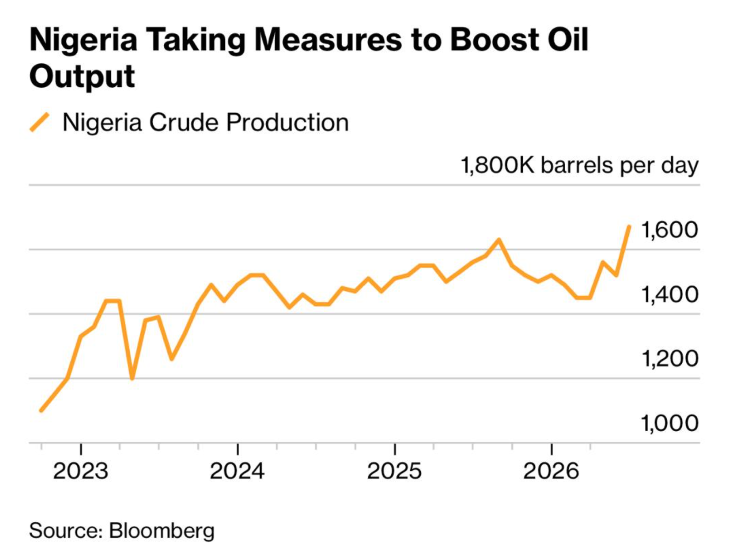
The recent surge in wholesale petrol prices at Nigeria's private depots, reaching N1,250 per litre, reflects ongoing supply chain challenges exacerbated by the prolonged halt in operations at Dangote's refinery. This marks the second consecutive week of price increases, raising concerns about the broader implications for the economy and consumer purchasing power.
Industry experts note that the halt in production at the Dangote refinery, initially anticipated to stabilize local fuel prices, has left a significant gap in supply. "Without a functional refinery, we are at the mercy of fluctuating global prices," said Ayo Adeyemi, an energy analyst. This dependency highlights the urgency for Nigeria to develop a more resilient energy sector to mitigate future price shocks.
Looking ahead, the continued rise in petrol prices could further strain household budgets and stymie economic recovery efforts post-pandemic. Stakeholders are urging the government to expedite measures that enhance domestic refining capacity and reduce reliance on imports. Without decisive action, the country risks facing escalating inflation and unrest among consumers who are already feeling the pinch.