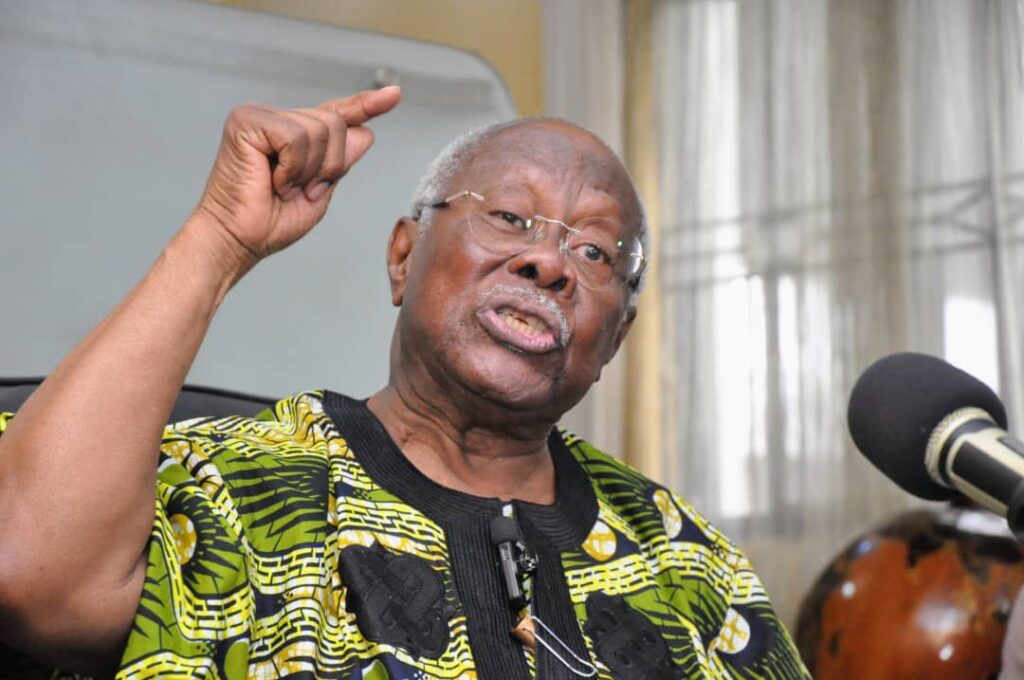
Nigeria's democracy is increasingly under threat as political polarization intensifies and opposition voices are systematically marginalized. Olabode George, a prominent political figure and former deputy national chairman of the People's Democratic Party, highlights this alarming trend, stating, “Democracy weakens when opposition is treated as the enemy.” His remarks come amid growing concerns over the government's tactics to suppress dissent and stifle political discourse, which have raised questions about the integrity of democratic processes.
In recent months, the ruling party has faced accusations of using state machinery to intimidate opposition leaders, restrict media freedom, and manipulate electoral frameworks. This environment not only undermines the principles of democracy but also alienates citizens who seek representation and accountability. The erosion of trust between the government and the populace is palpable, as many fear that the political landscape is becoming increasingly authoritarian.
Looking ahead, the resilience of Nigeria's democracy hinges on the ability of civil society and opposition parties to unite and advocate for reforms that promote transparency and inclusiveness. Without such efforts, the path to a more democratic Nigeria may remain perilously steep.