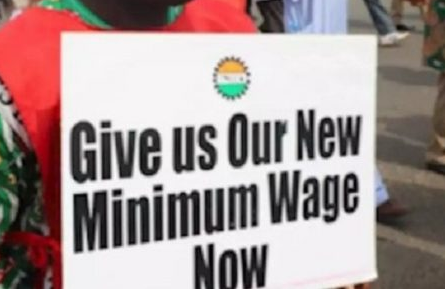
On a humid afternoon in Abuja, the buzz of anticipation filled the air as throngs of workers gathered outside the National Assembly. Posters waving in the air bore messages of hope and frustration, while chants of solidarity echoed through the streets. This was not just another protest; it was a decisive moment in the long-standing struggle for economic justice in Nigeria. The issue at hand was the demand for a new minimum wage, a topic that has been simmering beneath the surface of Nigerian politics for years.
The demand for an increased minimum wage is not a new phenomenon in Nigeria. Historically, the country has witnessed numerous episodes where workers have taken to the streets to demand better pay. The current minimum wage, set at 30,000 naira (approximately 65 USD), was implemented in 2019 after prolonged negotiations. However, inflation and the rising cost of living have eroded the purchasing power of this amount, leaving many workers struggling to make ends meet. The Nigerian economy, heavily reliant on oil exports, has faced significant challenges due to fluctuating global oil prices, impacting the nation's revenue and, subsequently, the welfare of its citizens.