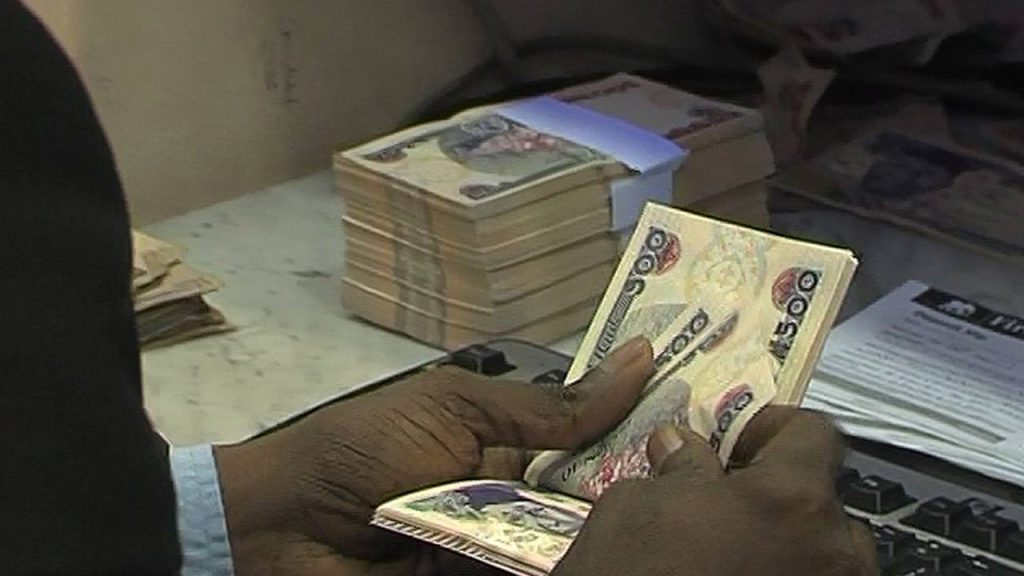
Nigeria is caught in a recurring fiscal trap characterized by mounting debt and inadequate revenue generation. As the government grapples with declining oil prices and insufficient tax collection, it has resorted to borrowing to cover budget deficits. This reliance on debt without implementing necessary fiscal reforms raises concerns about long-term economic stability. According to the Central Bank of Nigeria, the nation’s debt servicing costs have surged, outpacing revenue growth and consuming a significant portion of the budget.
Stakeholders have voiced their frustrations. Dr. Ngozi Okonjo-Iweala, former Finance Minister, remarked, “Without a disciplined approach to spending, Nigeria risks entering a cycle of perpetual debt that stifles growth and development.” This sentiment underscores the urgency for the government to adopt a more sustainable fiscal policy that prioritizes effective tax systems and expenditure controls.
Looking ahead, Nigeria faces a critical juncture. The government's ability to reframe its economic strategies will determine whether it can break free from this cycle of debt dependency and foster a more resilient economy. Without immediate action, the familiar pattern of fiscal mismanagement may continue to hinder Nigeria’s growth potential.