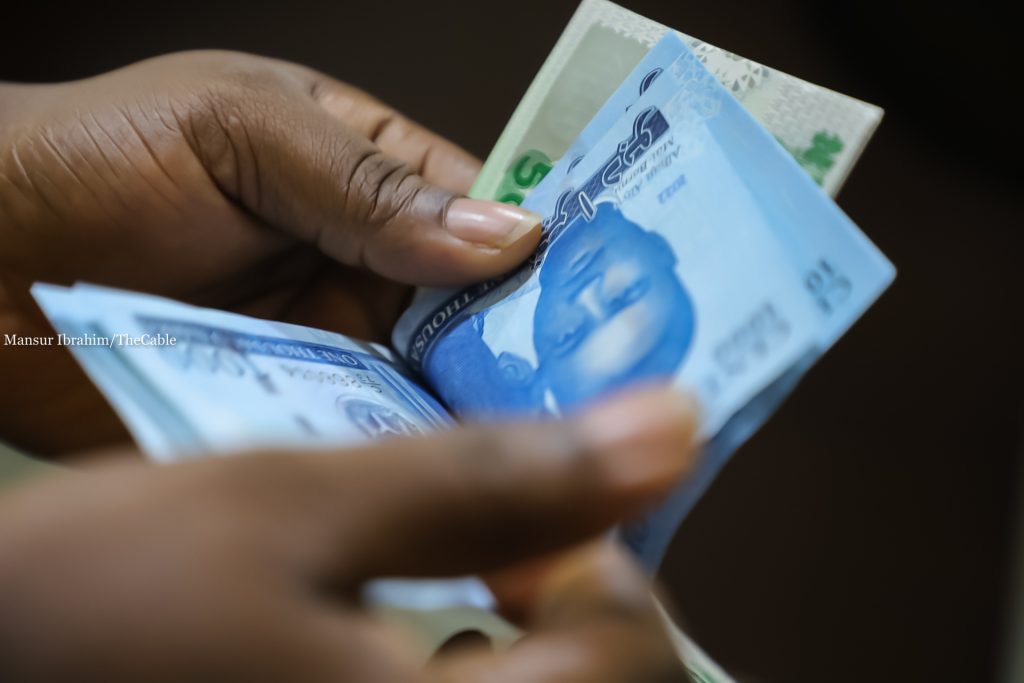
Nigeria's recent reduction in debt to the International Development Association (IDA) to $18.5 billion raises important questions about the sustainability of its economic recovery. While this decline is a positive development, experts caution against viewing it as a definitive solution to the nation's fiscal challenges. The government has made strides in managing its debt, yet significant pressures remain, especially in terms of development funding and infrastructure needs.
Felix Oladeji, an economic analyst, notes, "While a lower debt figure is encouraging, it should not overshadow the urgent requirements for investment in critical sectors like education and healthcare." The balance between reducing debt and fostering growth is delicate, as Nigeria grapples with rising inflation and limited resources for social programs.
Looking ahead, Nigeria must prioritize strategic investments that bolster economic resilience while maintaining fiscal responsibility. The challenge will be to harness this debt reduction to create an environment conducive to sustainable development. As the country navigates these complexities, the focus should remain on long-term growth rather than short-term financial metrics.