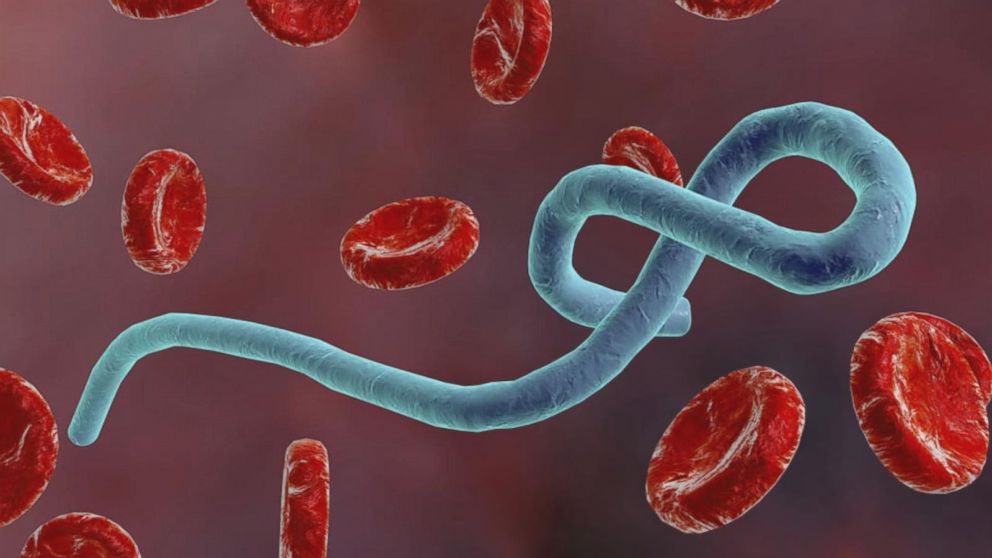
The recent declaration of a deadly Ebola outbreak in Ituri province, eastern Democratic Republic of Congo, has raised alarms across the continent and beyond. This region, already grappling with the complexities of armed conflict, faces a dual crisis that threatens not only public health but also the stability of an area that has long been beset by violence and humanitarian challenges. The announcement by African health authorities on May 15, 2026, underscores the formidable risks posed by the virus, particularly in a context where access to healthcare is severely compromised.
Ebola, a viral hemorrhagic fever, has been a recurrent threat in Central and West Africa since its emergence in the 1970s. The Ituri province has a history of Ebola outbreaks, but the situation now is exacerbated by ongoing civil unrest and the presence of various armed groups that hinder effective response measures. The World Health Organization (WHO) reported that the outbreak was confirmed following a series of cases that led to several deaths, with health officials emphasizing the urgency of containment efforts.
Local health systems, already stretched thin by the demands of conflict and displacement, are now further burdened by the need to manage this outbreak. In a statement, Dr.