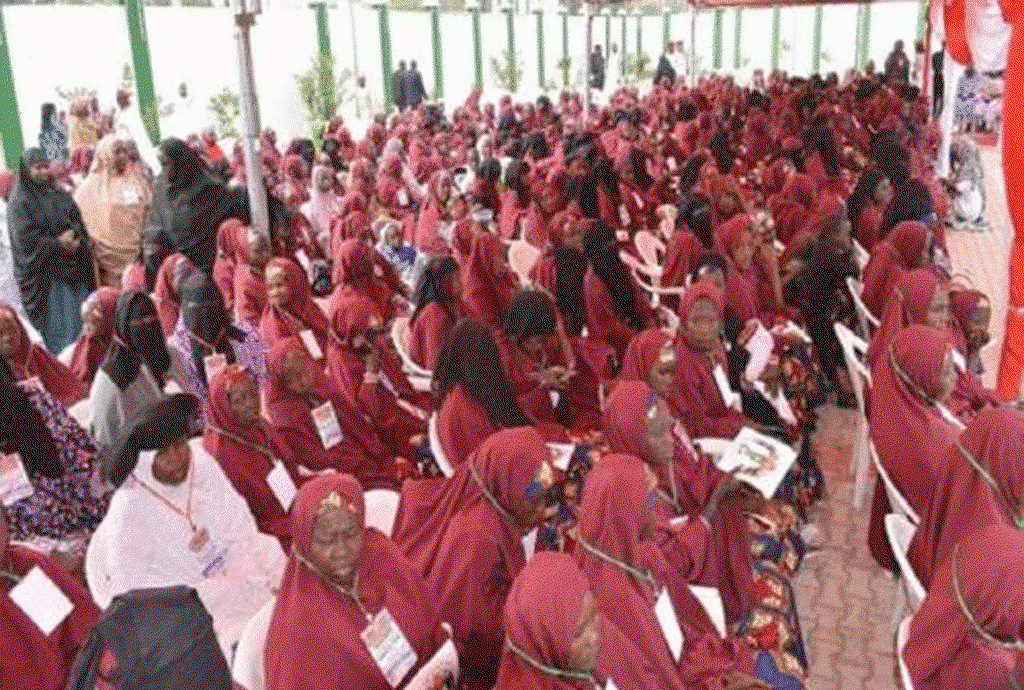
Kano State's recent allocation of N1.5 billion for mass weddings raises serious concerns about the prioritization of public funds in Nigeria's northern states. This initiative, while seemingly benevolent, reflects a troubling trend where governments prioritize ceremonial expenditures over pressing needs such as education, healthcare, and security. States like Kaduna, Sokoto, Zamfara, Katsina, and Borno are also guilty of similar fiscal misallocations, further jeopardizing the welfare of their citizens.
Stakeholders argue that this approach could have long-term implications for social stability. According to Aisha Ahmed, a local activist, "Mass weddings might momentarily boost morale, but they do nothing to address the systemic issues our communities face, such as poverty and unemployment." Such sentiments underscore the urgent need for a reevaluation of government spending priorities.
As states funnel substantial resources into symbolic events, the question remains: will this lead to genuine societal progress or merely serve as a distraction from deeper systemic failures? Moving forward, it is essential for policymakers to focus on sustainable development initiatives that address root causes rather than superficial solutions that risk further entrenching societal woes.