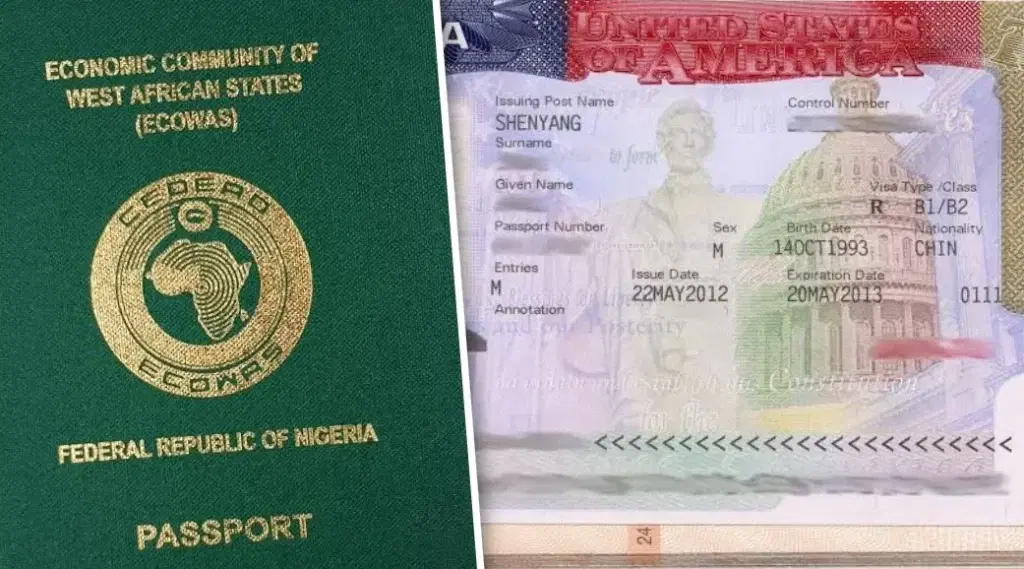
In a significant move to combat rising cybercrime, the United States has enacted a new global visa restriction policy targeting individuals involved in cybercriminal activities, including scams and sextortion. This policy extends to immediate family members of offenders, marking a comprehensive approach to deter cybercriminal networks that often exploit vulnerable populations.
The initiative comes as cybercrime continues to escalate, with Nigeria frequently cited as a hub for such activities. In response to the announcement, U.S. Secretary of State Antony Blinken stated, “We are committed to holding accountable those who exploit technology for harmful purposes.” This policy is seen as an urgent step to enhance cybersecurity and protect citizens from the increasing threat of online fraud.
As the U.S. intensifies its efforts to address cyber threats, other nations may be prompted to adopt similar measures. The implications of this policy could resonate across international borders, potentially reshaping how countries collaborate in the fight against cybercrime. Stakeholders will be closely monitoring its effectiveness and the broader impact on international relations, particularly with nations significantly affected by these restrictions.

