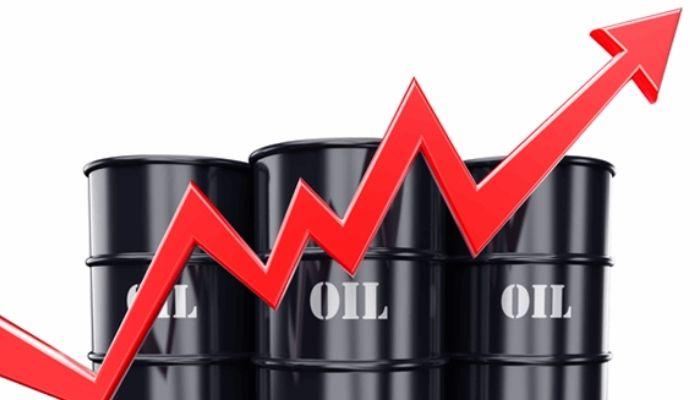
Crude oil prices surged past $90 per barrel on July 20, 2026, fueled by escalating tensions in the Strait of Hormuz, a critical chokepoint for global oil transport. The recent military confrontations and the threat of blockades have heightened fears of supply disruptions, prompting traders to react swiftly. This spike marks a significant increase from earlier months, reflecting concerns over stability in the region.
Industry experts warn that prolonged tension could lead to even higher prices, straining economies dependent on oil imports. "If the situation escalates further, we could see prices soaring to unprecedented levels," said Alex Mbadi, Chief Economist at the African Energy Institute. Such developments not only impact oil producers but also have far-reaching implications for consumers and industries reliant on stable energy costs.
Looking ahead, the market remains volatile, with analysts predicting that continued geopolitical instability may keep prices elevated. Policymakers will need to navigate this landscape carefully, balancing the need for energy security with economic growth. As the world watches the unfolding situation, the potential for an energy crisis looms large, underscoring the intricate ties between geopolitics and global economics.